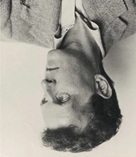
The World Divides into Facts: A Novel
Nicholas Katsafanas
Mode: >.75
EXCEL
XLS-PDF
HOME
1. The Text
—Introduction
—Part I: East Asia Street Meat
I-I: Shinjuku in Late August (.769)
I-II: Manila is a Mall Culture (.786)
I-III: Tokyo Gyro (.814)
I-IV: Tagaytay Math (.816)
I-V: The Best Neighborhood in the World (.821)
—Part II: East Side Mannerists
II-I: Community Pools & General Disgust (.845)
II-II: An Anonymous French Mannerist (.796)
II-III: The Dyadic Man (831)
—Part III: East Mediterranean People Shields
III-I: Chain Smoking Next to the Children's Hospital (.825)
III-II: Shrooms at the Dominican Shisha Spot (.846)
—Conclusion
2. Footnotes
—Introduction
1 The world is everything that is the case.
1.1 The world is the totality of facts, not of things.
1.11 The world is determined by the facts, and by these being all the facts.
1.12 For the totality of facts determines both what is the case, and also all that is not the case.
1.13 The facts in logical space are the world.
1.2 The world divides into facts.
Part I: East Asia Street Meat
—I-I: Shinjuku in Late August
2588:3364 .769
Not long after landing in Japan
with Reimi it became
rather clear to Buddy
that the country
was, at bottom,
"a fundamentally animated culture",
that the whole populace
of Japan,
with remarkable cohesion,
had managed to imbue itself
with "an animated form of existence",
that everywhere you went in Tokyo,
he thought,
you’re ceaselessly
"inundated with animations"—
even the escape plan
on an airplane
is relayed via an animated,
he didn't know,
Pokemon avatar
in Japan,
yet that was still an improvement
over the human-relayed iteration.
Because, Buddy said to Reimi,
his Platonic travel companion
who herself had
a respectable knowledge of Japan,
what exactly is the damn point
of these so-called escape plans
on airplanes?
Well, Reimi replied,
there doesn’t seem to be
any whatsoever!—
because, Buddy interrupted,
if we’re thirty thousand fucking feet
in the atmosphere
and spiraling back toward
Earth's surface
I’ll just jump out
of the damn window
to my horrific
yet inevitable death!
What?—tossing on a plastic mask
and making certain
no luggage was left on the floor
of the so-called escape aisle,
that’s going to make
a palpable difference
for people forced
to plummet down
tens of thousands of feet
from a gigantic metallic cylinder?—
yet in any case,
despite the fact they both agreed that
traveling was basically an, at bottom,
insipid hobby,
that drinking a beer in Tokyo
was functionally no different
than drinking one in Omaha,
both Reimi and Buddy agreed
that the culture of Japan
was certainly of a superior quality
to contemporary America,
where "so-called political philosophers"
like Curtis Yarvin
actually exerted influence
on West Wing politicians?
Reimi found it intriguing,
discovering this fact and
subsequently perusing Yarvin’s blog posts
after hearing about his "so-called influence"
in contemporary American politics,
being, as it so happened,
already entirely disaffected
by both centrism and liberalism in America,
only to conclude that Curtis
was at best a fifth-rate thinker,
a seventh-rate stylist,
a ninth-rate human being?
No, his aesthetics were immeasurably worse
than that, Buddy interjected—
his analytical skills, she said,
were clearly near-mentally challenged,
Curtis Yarvin, Reimi said,
was "very possibly mentally challenged"—
and she made quite clear
that she meant that with no actual
ill-will whatsoever—
yet the fact transformed
his polemics regarding American IQ
into something fundamentally comical to her,
she actually found the one chapter
she read deeply comical in that regard,
with the writer’s absurd warnings
to the reader,
and his "bomb drop" regarding racial IQ
as items that actually made her
chuckle out loud.
Oh, Curtis, she laughed,
you've really rattled my deprived little brain
with your—poorly worded
derivative reintroduction to fascism?
She definitely appreciated
Yarvin’s oeuvre from that vantage point,
as a sort of middle school level
form of absurdist propaganda,
because, from that angle,
Yarvin was, to some extent, an enjoyable author—
yet the fact he’d become influential in
American politics
wasn't even "mildly surprising".
Of course not, Buddy added amicably,
expressing his humble opinion
as a God-given right,
which was why he nearly vomited
prior that day
while reading a Yelp review
about a particular bar,
the writer making the comment
"how nice" congregating
with newly found fellow ex-pats
in Tokyo was.
Buddy repeated the phrase
"Fellow Ex-Pats"
mocking the notion—
it seemed wholly grotesque
and disgusting
to "want to bump into"
other objectionable Americans
in a beautiful and ultimately untainted
city like Tokyo.
The reality was
the only material drawback
to Tokyo was that
a proportionally large amount
of Americans actually
"ex-patrioted themselves" in the metropolis.
America, Buddy considered
as he stood solemnly in line
at a Starbucks in the JFK airport
en route to the Far East,
is a polity filled to the brim with
now generations of citizens
who have done literally nothing
but disgrace the standard of living
they’ve had the undeserved privilege of inheriting.
Americans, according to Buddy,
have basically made
the standard of living they’ve inherited
a grave injustice,
due primarily to their slovenly, lazy,
and basically
imbecilic tendencies.
No offense (this was simply his opinion),
but even in the so-called
metropolitan centers of America like Manhattan—
not only were they filled with the sterile run-of-the-mill
neoliberal sects of imbeciles
but then "you now see"
the somehow even more objectionable coalescences
like Dimes Square,
filled with—honestly, Reimi didn’t even really
care to discover who they were!
There existed specific groups of people,
Buddy suggested,
that a person really didn’t even
"need to inquire about"
to confirm beyond a reasonable doubt
you fucking despised.
There were certain sectors of citizens
you knew were worthless
without even knowing who they were,
and Dimes Square certainly fit that bill,
because Reimi despised Dimes Square,
despite the fact she knew
next to nothing about them.
She’d skimmed a minimal amount
of Curtis Yarvin, yet,
even with that admitted,
she’d still ingested more than enough Curtis
to definitively conclude
that he was at best
a seventh-rate stylist,
and, with that in mind,
how could she possibly justify
continuing to peruse "purely insipid"
"monomaniacal monarchist musings"
from a computer programmer
who couldn’t even teach himself
how to compose a paragraph properly?
She didn’t think it was unreasonable
to stop and arrive at a prematurely fully formed
conclusion in any way!
Oh, and of course
the fucking guy graduated from Brown University!—
Buddy exclaimed,
which was basically
a criminal cartel.
Of course these were
just their personal opinions,
benign ideas that they were expressing
as a proper form of open debate—
Brown University was the only organization
more pervasively criminal than the mafia
in the state of Rhode Island,
Buddy asserted,
and absolutely no one could dispute that,
that Brown was basically
another iteration
of organized crime in New England.
So it really made complete sense
that Yarvin earned his degree
from Brown,
and that even in the midst
of his middle-aged
(yet still essentially pubescent)
"intellectual rebellion"
he would still remain more or less
a criminal of aesthetics,
an unapologetic felon of analytical thought,
a repeat offender against the intellect,
making leagues of misguided
young people irreparably dumber
for reading his writings.
Reimi, for her part,
had read hardly anything
of Yarvin’s oeuvre,
yet she knew deep in her bones
that he had absolutely nothing of note
to contribute to American culture,
adding that people like Curtis
were basically little more than meat sockets,
that they were essentially
intellectual voids that added
very little to humanity
beyond the cyclical shit,
piss, and semen
that got excreted
from their still living bodies.
Buddy, for his part,
couldn’t possibly disagree!—
no one in America dresses well anymore,
had she noticed that,
and hardly anyone actually
works hard,
and absolutely no one
has anything interesting to say,
ever, Buddy said,
and there was no better
evidence of this than the fact that
JD Vance himself
was influenced by the writings
of Curtis Yarvin,
that Dimes Square
in Lower Manhattan
was actually considered counter-cultural
and "quote-unquote edgy"
by grown adults.
We've precipitously descended
from Alan Vega
starving on the streets
of TriBeca, Buddy noted,
to a series of middle-aged
trust fund grown ups
squatting in the most unaffordable,
expensive city
on the planet,
who believe basically nothing,
except that the n-word needs to be
reclaimed for Caucasians,
because they find it incomprehensible
and fascist that
they can't say
the trendy n-word in public
among their peers.
There was basically no doubt
in Buddy's mind that even New York City
with its five boroughs,
the greatest metropolis
America had to offer,
was fundamentally sterile today,
that Manhattan had achieved
a new level of putrid,
that it was actually leagues more
"aesthetically productive"
during the crack era!
It was an embarrassing state of affairs
for both Buddy and Reimi, frankly—
to continue to be an American?
The reality was, the two agreed,
that while traveling to foreign countries
was functionally pointless,
at the very least
it was a brief reprieve
from being forced to endure
your own fellow Americans
day after day,
yet, at the same time,
visiting a foreign locale
only reinforced
how utterly American you really were,
how objectionable you’d become,
solely by continuing to be
an irreversible American.
There’s really nothing more objectionable
than being an American,
Reimi concluded,
and the worst U.S. citizens
are clearly the ones like Curtis,
the faux-intellectual flaccid reactionaries
symbolizing nothing beyond the fact that
America had become so sterile
it’s only method of shocking itself
back to life was coyly reintroducing
the idea that Black people
were genetically second class to Caucasians.
Racism, if you really thought about it,
was the only authentic art of America anyway!—
and Buddy totally agreed,
noting that the only way
the median American could make themselves
start to feel alive again,
at this point,
was by quote-unquote post-ironically postulating,
by electro-shocking themselves
into contemplating that maybe Black people
are lower class by proclivity.
Every American enjoyed a God-given right
to subscribe themselves
to nonsensical racist philosophies
if they so chose,
yet it was only these
post-ironic imbeciles
who found their own unfortunate bigotry
as actually edgy—
it was only in toilets like
Dimes Square that racism,
which in reality was just the blunt,
ubiquitous and ultimately sterile
pre-condition of everything American,
somehow, idiotically,
became high art.
It was the logical conclusion
of the Andy Warhol idiocy—
as opposed to painting insipid soup cans,
the post-ironic so-called artists,
unable to paint or write or compose proficiently,
went a step further into the banal—
instead choosing a snooze-worthy
renewed racism as their art.
Why couldn't they, too, utter the n-word?—
it was truly "unjust" that they,
as rich whites who,
approaching forty,
still receiving wire transfers
from their parents
to supplement their Chinatown rents,
were more or less manhandled
into "not saying the n-word",
and not only the hip hop "soft-a"—
no, these opulent caucasians
requested access to the "hard-r n-word" pass,
and if it so happened
they were actually denied
then this country was fundamentally,
they thought, still enslaved!
This country, according to Dimes Square,
was fundamentally enslaved
if they,
as rich douche bag trust fund
Soviet and/or Ottoman Caucasians,
couldn't shout out
the "hard-r n-word"
in public with aplomb!
Yes, the only authentically avant-garde
American movement of the early twenty first century
was this inspired petition
to reclaim the n-word for whites,
Reimi noted as she benignly nodded
at a passer-by
in a manner that mellifluously communicated
she was simply expressing
a personal opinion,
that she obviously intended no offense.
I’m racist,
the audacious
Dimes Square poet would bellow,
and for that sole reason
I’m the bravest man in Lower Manhattan!—
still unable to actually bring himself
to say the word aloud,
surrounded by the bourgeois daughters
of Russian mathematicians
who'd apparently resort
to any sort of intellectual prostitution
to avoid being finally recognized
for what they functionally were:
opulent Caucasians.
No, none of these poets personally
said the n-word themselves,
of course,
but, then again, why couldn't they?—
"with a hard-r"?—
wasn't it fascism in a sense
that they were so vigorously restricted
from doing so?
Oh, of course! Reimi found it laughable
but in an obviously lewdly sardonic way—
it was utterly disgusting,
immensely depressing,
and basically a stupendous pretext to exit
America for good,
to begin a fresh life abroad,
on any other fucking continent!
—I-II: Manila is a Mall Culture
1769:2250 .786
But, in any case, with all that said,
which was of course really nothing
beyond the objective summary
of a couple benign opinions
of Buddy and Reimi,
who were both simply expressing
their God-given rights of free speech
in their respective commentaries—
but if Japan was fundamentally
"an animated culture",
then it was certainly safe to assert,
according to Buddy, that Manila was
"an unrepentant mall culture"—
that everything about Manila-proper
revolved around malls,
that they held the
"sky high esteem"
in Manila that they hadn't held
in America for decades, if ever!
Yet, Buddy said,
everything existed
in a fucking mall in Manila—
outside of the malls
there was literally no commerce
that commenced in the city,
to the best of Buddy's knowledge.
A metropolis of nearly fifteen million people,
Buddy expounded,
and every single person
is physically located in malls all the time—
there are actually large malls
located right beside subsequent malls
with three to five levels
or more per building,
but yet in America,
if you happened to place
a modest three level shopping center
even with no other malls for miles
it would still decay and rot day after day,
but these Manila malls are smack dab
on top of each other
and filled to the brim
with all types of people
at all times of the day.
Reimi asked Buddy if he recalled
the cool underground jazz bar
in Shinjuku,
the place that played
"CDs instead of records",
and of course Buddy recalled it vividly,
but he noted
in Manila that bar
would have been
in a damn mall,
without a doubt.
He'd relaxed for upwards
of an one hour at that jazz bar,
beginning at exactly
two twenty two in the afternoon,
drinking a single draft beer
as he analyzed
the bartender and barback
as they cleaned the counter top
and chopped a block of ice
with a steak knife,
creating "wonderfully asymmetric cubes",
without once glancing
at a smartphone,
or chit-chatting with customers,
without linguistically wanking people off
in their periphery—no,
they simply worked continuously
without pause or complaint.
A white man sat not far from
Buddy and Reimi
and noted to the bartender that,
yes, he'd be particularly interested
in ordering a Tom Collins,
but with one strict condition:
he wanted it with
a "ton of Juniper"—
a Collins that really captured
"that intense berry" flavor,
because "sans Juniper"
the man frankly had no interest
in a Tom Collins at all,
whereas most people
who enjoyed gin liked Juniper
to some extent,
yet they'd also readily admit
that "the Juniper aspect" of gin
could come off off-putting
to some,
this man apparently
couldn't "get enough Juniper"—
no, he needed
the most potent
iteration of gin with regard to its
divisive Juniper component.
But were you aware—
Buddy interrupted—
speaking of utter absurdities
that were in fact accurate,
that the so-called
"Siberian Tiger Penis"
is considered a legitimate aphrodisiac
in China,
that the Chinese
assiduously source the cock
from Russian tiger corpses
with great care
for precise use in expensive soups?
Well, that was exactly her point,
of course!—
but Reimi had more conjecture
for Buddy to consider,
if he was down,
as they meandered down
yet another muggy avenue
around Quezon City
looking for a single standalone restaurant,
any independently structured
watering hole,
to sip a cocktail at.
Reimi had been pondering something,
given the more stringent
border policies of East Asia
and her predilection
to forget herself
from time to time
via engaging in her own free speech—
did the American far-right
perhaps have a point?—
was it possible people
like Charlie Kirk,
who vociferously voiced
concerns regarding
"legal third world immigration",
was it within the realm of possibility
his perspective held merit?
But to begin with,
she continued
as Buddy's eyebrows rose slowly
in a wholly amused manner,
they'd need to take a long look
at the "specific segments"
of historical immigration,
if they were to truly construct
a targeted immigration agenda,
and then determine which nationalities
were actually desirable,
and which ones less so—
but Reimi felt as though,
honestly, that'd be easy enough.
The conclusion came
to Reimi like a bolt of lightning—
as it seemed blatantly clear
that the whole notion
of "white replacement"
was way beyond a conspiracy theory,
because it was, in fact, an actuality.
The fact of the matter
was the white man in America
had already been ruthlessly replaced,
and he was repopulated
almost exclusively
via the late
nineteenth and first half twentieth century
waves of immigration
that brought with them
not only the mountains of freckled Irish,
but more so
the further south Italians,
and even more eastern Jews—
all egregious non-whites
according to someone like, say,
Benjamin Franklin—
into this innocent country.
The rudimentary fact of the matter
was the white man
of eighteen sixty five
was objectively a radically different
white man than the
Caucasian male of nineteen sixty five—
the Anglo-Protestant baseline
the American polity
was historically founded upon
would be upended
and replaced by
a more nascent quote-unquote
Judeo-Christian lineage.
The American white man
had obviously already
ruthlessly been replaced,
and sadly only mere doppelgangers
of this White Man remained,
and of course these
very replacement level Caucasians,
these blanco simulacra,
now screamed the loudest
into the helplessly deaf winds
blowing up the skirts
of BBL Latinas
about a contemporary,
impending so-called
"white replacement"—
according to Reimi at least.
Yet, astutely, she mellifluously
continued on to say
to Buddy that of course
unregulated mass waves of immigration
could easily end
with detrimental downstream effects
for a state—
this couldn't be disputed.
For example,
contrary to the decades
of Hollywood whitewashing
of the mafia as little more than poor
immigrants who lacked access
to food stamps,
they should actually
recognize the American mafia
for what it truly was:
an insidious criminal syndicate
started by the immigrants
Lucky Luciano
and Meyer Lansky,
that had as its most profitable enterprise
sexual blackmail—
which eventually allowed it
to completely ensnare
the highest officer of the Law in America,
J. Edgar Hoover,
just because the little guy
liked to parade around
in ladies' underwear!
The entire history
of the American mafia
was one steeped in deep
and disturbing, sordid state
corruption as opposed
to the oft-cited "victimless crimes"
like gambling and prostitution—
this so-called "mob"
was an immigrant criminal syndicate
jointly established
by an Italian man
and a Jewish fellow,
and its lower levels
of activity,
the sort glorified
in grotesque Scorsese films,
were ultimately subsidized
by blackmailing,
often lasciviously
(what better way!),
United States
government officials.
Reimi asked Buddy
if it reminded him
of any current events?—
and as she laughed aloud,
she posited the rhetorical inquiry
of what could possibly be
more anti-American,
but she admitted
of course ahistorical imbeciles
like Matt Walsh
were instead forced to conflate
the corruption that occurred
one hundred years past
with contemporary immigration,
and instead of admitting
Caucasian Replacement
had already occurred
and that Judeo-Italic
immigrant criminal syndicates
successfully corrupted
the upper echelons
of government,
these double digit IQ grifters
acted as if
these events were instead
"potentially impending".
At this point Buddy brought up,
with a certain sense of disbelief,
that they hadn't even discussed
Carlos Marcello's
intricate role
in the assassination
of JFK!
—I-III: Tokyo Gyro
496:609 .814
On their final night in Tokyo,
Buddy awoke bright and early
in the AM, aiming to take
"maximum advantage" of the day,
and exited the hotel excitedly
hoping to find a quaint coffee shop,
only to stumble upon
a couple Shinjuku bars
that had just recently closed
at give or take half past seven am.
Failing to find
an adequate coffee shop to pop in
Buddy instead decided
to take a jog through the streets
of Tokyo, which in retrospect
may have been considered a
bit of a
cultural faux pas in the country,
but, given the excessive temperature
in the city,
Buddy assumed he would only
be able to run for a brief
spurt anyway—
so how offensive
could it really be?
Yet this run would prove crucial
because at its conclusion
Buddy got a whiff of some cuisine
he found quite delightful—
was it possibly, he thought
... a gyro?—
in Tokyo?
While a pita stuffed
with tzatziki wasn't exactly
the Asian street meat
most people anticipate
in their YouTube algorithmic
daydreams of Japan,
Buddy also felt like his palette
wouldn't be any worse for wear with a
single sandwich that his stomach
was already accustomed
to digesting?
Some place in the deep, dark
recesses of Buddy's brain
he recalled
the treacherous gyro trucks
of New York City
and their abundant use
of poultry as a street meat—
but chicken was basically
an unacceptable street corpse
when it came right down to it,
but Buddy,
mesmerized by the smell
of the amalgamated spices
went along with the bird option anyway,
selecting—no not tzatziki,
but the quote-unquote
white sauce topping,
which was also reminiscent
of the Manhattan food truck
bullshit machine.
Of course the wrap
didn't taste great,
to the extent that Reimi
didn't even eat half of hers,
allowing Buddy—
who was "starving"—
to seal his digestive fate
by finishing a second sandwich.
The consumed chicken gyro
was a dirty bomb
that would wait to detonate
in Buddy's stomach
until right around sunset—
and everybody knew Shinjuku
had the best setting suns—
when Buddy was attempting to nap off
the jazz bar
beers he imbibed
before they popped out
for supper to no avail.
—I-IV: Tagaytay Math
1139:1396 .816
The thing of it was,
Buddy said to Reimi
in a province outside Manila,
at the beginning
of his conscious memory
he’d sit in the brick house he lived in
with his genetic mom and dad at
give or take, say,
three years old,
and he’d recite very particular, progressive
"if-then scenarios" to his mom,
who was amused by
the mathematical display immensely,
as she cleaned the kitchen or, like,
dusted the burgundy dinner table?
This was in fact his favorite hobby
at that age—basically, in short,
when Buddy turned forty
his mom'd turn seventy four,
and when he was thirty three
she'd be sixty seven,
but when he turned ten
she'd be forty four,
and finally when Buddy was six his
mom would be forty.
So it was funny to Buddy
when they saw a skinny
six year old boy in Tagaytay
exhibiting a similar practice,
telling attendees their current ages based
on the respective years
they were born,
with all the participants at the party
being wildly impressed
with his arithmetic,
but, "at already age six",
Buddy whispered to Reimi,
this kid
was actually kind of fucking
behind the eight ball,
so to speak—
that if, at six, he couldn't calculate
"at least if-thens"
after determining the person’s age,
well, he had a ways to go.
The kid was clearly quite proud
of his arithmetic abilities,
and maybe he should have been—
it was possible
he had good reason to be,
but, to Buddy,
as he conveyed to Reimi,
he probably needed to be
just a tad more tyrannical
about his practice moving forward.
No, he "wasn’t that bad", Buddy said,
he was way better than some adults
at the gathering!—
but he should still really consider,
you know,
brushing up on his "if-then skills".
Because "everything is ultimately an if-then",
whether vis-a-vis arithmetic
or life itself!—
in any case, now finally forty himself,
Buddy could officially confirm
once and for all his mom'd become,
in fact, seventy four
while he was forty,
though at the time,
back in the brick house,
it'd have been an impossibility
for either to know with any certainty
if that'd have truly been the case,
that Buddy would, for a fact,
be forty while his mom
would be, by contrast,
seventy four.
Just before
leaving for Tokyo
Buddy sat on a clean bench
in Luongo Square
in the decent heat
of the expiring summer
and wrote down the words
it would be "an absurdity
to stop by Nickanee’s tonight",
which he felt to be
one hundred percent fact,
that precise verbiage,
that stopping by Nickanee’s
that night would've been
completely absurd!—
sitting on a bench by himself
sipping a lime seltzer
he’d lightly spiked with Mezcal
he had no doubt in the pure
veracity of the words
he’d scribbled down
into a beaten up purple notepad.
Buddy had, in fact,
a very firm comprehension
of what exactly
was absurd that night,
it was the simple idea
of attending Nickanee’s.
Only minutes later,
sitting in a bar in Luongo Square,
drinking a Mezcal
that was no longer dumped
indiscriminately into a can
of lime seltzer,
Buddy considered an uncomfortable idea
that "whatever was identified
as morally unacceptable"
was precisely what got people
erect in every particular epoch,
that whatever was widely
agreed to be inappropriate
was, in fact, synonymous
with what was "probably maximally erotic"?
Something that was violently pretty
would become expeditiously
less so the very second
it became "generally acceptable",
Buddy thought at the bar?—
that widespread acceptance
was the utter death
of apex eroticism?
Buddy sat at the bar in Luongo Square,
well aware
going to Nickanee’s that night
would be nothing if not blatantly absurd
and considered, just a couple streets up,
on Atwells Avenue,
he could never jot down notes
like he did on Luongo—
where it was expected that everyone
would come equipped with notepads
of all types,
that they’d all take notes
while sitting on benches and at bars,
whereas on Atwells Ave
the exact opposite was expected.
It was a fact that no one had,
in the history of the street,
ever been seen
clutching a small notepad
on Atwells Avenue,
but Buddy actually considered
ambling up to Atwells
that very evening,
but he now realized
occupying any seat
on that Avenue
would make his note taking
basically impossible.
In reality you’d probably have to be
a complete knob to believe
you could ever scurry up
to Atwells Avenue
with a notepad
and successfully jot down ideas
in public.
To Buddy,
he told Reimi,
there existed two latent
absurdities that night:
the first was without a doubt
stopping in Nickanee’s,
while the second
was adorning your person
with a writing utensil
on Atwells Avenue.
No one walking the streets
of Atwells had "as much as a fucking pencil"
on their person,
that much was certain
beyond a reasonable doubt,
but none of that altered the fact
that for about eighty three point three percent
of the year Buddy's mom
would fail to be seventy four,
despite his intuition
she was "technically seventy four", while
for essentially seventy five percent
of this calendar season
he'd be thirty nine,
which flew in the face of the fact
he was "technically forty",
because at that moment,
in Luongo Square,
Buddy was forty but his mom
was merely seventy three,
which went directly against
the if-then he'd alleged
at the age of three.
—I-V: The Best Neighborhood in the World
695:847 .821
Reimi thought the "adjustable bed frame"
their hotel room came equipped with
was "really cool",
and she more or less immediately
started to fiddle with
the settings incessantly.
But Buddy,
just as Reimi gained control
of the remote,
expressed some concern,
since the bed frame
wasn't exactly "brand new"
that Reimi should maybe
use a bit of caution
before indiscriminately fidgeting with
the remote control, because,
in his experience,
those types of gadgets
could easily start to malfunction quickly.
Buddy reminded Reimi later
of this exact exchange
as they struggled to see
the lower third of the television set
over the now absurdly elevated
foot of the bed,
which'd been stuck in place
since Reimi first raised it
high as it possibly went when
she first placed her little fingers
on the remote,
followed by about five minutes
of a continuous, arduous drone
punctuating every attempt to adjust
the foot again,
until they both came to agree
the bed frame was, in fact,
immovably stuck in its place.
Nothing could be done to fix
an electronically misconfigured bed frame—
unless you were some kind of
electrical engineer,
which of course
neither of them were,
so if a bed frame was forced upward,
until the foot of the bed obscured
nearly a third
of the television set,
then you'd forever be lifting
the remote to the sky
to increase the volume,
or to switch whatever bullshit
on whatever streaming service
you wanted to fall asleep to.
In short there was no cure
for this severe sickness
of the bed frame—
it was a terminal deficiency, which,
Buddy reminded himself,
was why he was so adamant about
not indiscriminately fiddling with
the remote in the first place,
yet apparently the possibility
of repeatedly adjusting
a bed up and down
was just too alluring to resist.
Glancing at the top two thirds
of a TV program
neither particularly found compelling
Reimi said it wasn't necessarily
that traveling was ipso facto insipid,
inasmuch as it was the case
any city is fundamentally
meaningless sans a particular person
in the metropolis you're pursuing,
didn't Buddy agree?—
that basically any town
is only activated
by a special person of interest,
that even the shittiest city imaginable
could become profound
with the proper object
of pursuit?
Buddy felt a moderately intense
urge to toss
the remote control
directly through
the television set
as he agreed
with Reimi's perspective,
that architectural structures
were only aesthetically beautiful
insofar as they contained
intimate relationships
between human beings,
with all the good and bad
that was associated with
that containment,
and even a sprawling city
like Tokyo was only agreeable
to people
insofar as they imagined that
containment occurring
in the midst of this architecture,
but if they, say,
"relocated to Tokyo"
but failed to find the people
to place into
said containments
they'd essentially
remain meaningless,
and even Tokyo would quickly
become a drag!
It was almost like,
Reimi contemplated aloud,
Shinjuku was at once
the best neighborhood
on the planet
but also fundamentally
at bottom
empty and sterile?
Part II: East Side Mannerists
—II-I: Community Pools & General Disgust
1380:1633 .845
Forced to listen
to some shirtless douche-bag
adorned in designer glasses
with custom colored purple frames
at a community pool discuss—
she couldn't recall what—
really reiterated to Reimi
it was totally possible to disdain
a person purely via the sole sound
of their God-given vocal chords,
she said to her sister Nikke.
Sobriety obviously
depended on vantage point,
but she'd only had possibly
half a bottle of Soju at the pool party,
or maybe the whole bottle at most?
Yet Nikke would never
accuse her sole sibling
of lacking objective sobriety,
even if she was maybe
relatively inebriated,
much less levy
an accusation of "feeling things"—
no, she knew Reimi
way too well for that!
This notion of "feeling things"
was totally grotesque of course—
Nikke vividly recalled riding
into New York City with Reimi
years prior,
right as the second track v on her Love Supreme CD
played from her stereo speakers
as they discussed what
they believed to be "deep topics"
at the time, the tenor sax
ricocheting in her mind
retroactively in a way
that didn't really make
any sense.
A leaf that laid
on the cement on Carpenter Street
as the Lyft re-entered the West End
looked like a legitimate
handle bar moustache,
like it'd been sculpted specifically
to paste onto a hipster's upper lip
at a craft beer bar.
Nikke, who was perhaps
more prone to so-called
"airier" quasi philosophical
thoughts than her sister Reimi,
was recalling previous
"summer-like late
September afternoons"
from her upbringing,
but the images
were so vague it made
quantifying the linear progression
of her life a seeming impossibility—
the frantic tenor sax
of the second track
of Love Supreme
still humming somewhere
in the remote recesses
of her mind,
a perceived sordid activity
for some reason.
Whereas Reimi was disgusted
by a guy who was probably
an incredibly loving dad
despite a vocal tone
that reeked of utter pretention,
Nikke was increasingly lost
in her own stochastic memories,
muted coincidences
consuming her,
causing her to recede
into silence as Reimi continued.
Twelve months ago
to the minute,
Nikke butted in abruptly,
marked the sudden onset
of "a precise month"
where she succumbed
to a subtle madness,
a quick descent into
the divinely absurd,
only to emerge
exactly thirty days later—
the twenty sixth to the twenty fifth—
with an apparently renewed purpose.
The strangest characters,
Nikke told Reimi,
who of course already knew
about the events all too well,
would wander into her day to day
life during that "thirty day
or so span", then disappear
forever almost immediately
after the fact—
there was an irrepressible
melancholy to memory,
which in a way, Nikke suggested,
was possibly a lurid iteration
of optimism,
to recall past events
with dread and disgust,
to interpret the present then
as ipso facto preferable
to the grotesque events
of even your recent past?
Oh, there was no doubt
recollection was objectionable,
Reimi concurred,
for example the extremely recent
memory of the man
with that grating intonation?—
Reimi's present state
with Nikke was leagues preferable
to listening to the douche bag
drone on at the community pool
for even a few minutes.
So it wasn't at all out of line
to suggest that recollection
sprung up from an abyss
and assaulted them
violently right when they
least expected it,
even in Nikke's case,
during the thirty days or so,
they were themselves
to some extent consumed
with "people from her past"
springing up like memories,
attacking her present-tense
with their vapid reintroductions.
People from our past, she said,
instead of affirming the logical linear
progression of our lives,
only reinforce this dream-like instinct
we have that, in fact,
our life is wholly nonsensical,
that our singular peregrinations
are simply asymmetric series
of moments fundamentally disconnected,
disjointed, misaligned—
that rather than progressing
from age five to six,
forty to forty one
that the numbers
we try to define our lives by
are in fact non-additive,
that they're more akin to
coagulating disparate percentages
and acting as if they're integers,
or probably worse!
People from our past, Nikke noted,
simply by existing and resurfacing
serve to remind us
that the vast majority of sentences
we've said and activities
we've completed
are actively forgotten,
that they amount to
next to nothing
in the present tense,
yet their re-introduction
is a proof our current moment,
which we perhaps
feel to be superior
to our past,
will also inevitably pass
into lacunas of deleted recollection,
that the present
is basically a folly in waiting,
plus there's only
the thinnest connective tissue
integrating said lacunas.
Memory is most definitely
nonlocal in origin,
Reimi agreed—
there was really no other
way to phrase it,
yet in some vague sense
they could possibly contend
that their collective past actions
formed a sort of abstract
substrate that informed
their current selves,
that perhaps while collected recollection
failed to conform
to the moving image
of linearity,
it still maintained
a sort of amorphous
continuity eluding them
at first glance?
But, Nikke said to Reimi,
take the town of, say, Barrington—
the dump they were driving away from
as fast as they could—
was it not filled to the brim
with objectionable memories?
Was "bucolic" Barrington
not filled up with upper class
whites who fundamentally
overestimated their own net worth,
peering down on bordering towns
and neighboring dumps
with the sole intention
of making themselves
feel better about
their own overpriced homes?
Reimi had tried to remain unaware
of the entirety of Rhode Island—
in fact if not for her little sister
Nikke she'd probably know
literally nothing
about the smallest state
in the nation,
and no doubt
be perfectly happy about it!
—I-II: An Anonymous French Mannerist
838:1053 .796
In any case,
sitting in the backseat of the Lyft
en route to RISD's museum,
Nikke took note of a small stain
on her new tan t-shirt
just above her right nipple,
a smudge she somehow
failed to see
before she left her apartment—
specifically recalling
ironing the article
prior to leaving,
it seemed absurd to her
she could've not noticed
a small stain
in such a central location.
Both women were
surprised to find
the price of admission into
the museum was more than
twenty bucks per person,
but they paid the fee
sans even a single
disgusted eye roll
or surreptitious aggravated grimace,
instead kindly taking the lady's
direction to enter
the elevator in
dually jubilant fashions.
Of course it was only
a sole canvas
they went to see
in the museum,
the so-called
"Charity" painting
by an anonymous French Mannerist—
this mysterious artist's
single work
was more riveting to them
than the rest of the Renaissance room
combined,
more visceral by
orders of magnitude
than any of the
contemporary art
on the first floor.
The painting consisted
of six small children,
one dog, and a mom
who—although most people
might not notice it
at a fleeting glance—
had her left nipple exposed
as one kid
fondled the breast
in preparation of suckling.
Of course while taking
in any painting
it was important,
the two concurred, to
consider the painter's
personal process
as he continued to create
the canvas,
the types of problems
he may or may not
have encountered,
how he in the end
addressed them.
In this instance, Reimi said,
it struck her as patently befuddling
that the painter—
this anonymous French Mannerist—
went to the trouble
to depict the tiny testicles
of one of the kids
poking between his two legs
from the back as
he climbed up
to the presumptuous mother?
By contrast
in the contemporary galleries
on the first level,
the figurative nudes
were basically "sans phallus"—
Reimi referenced
a painting by a guy
named Satoshi Kojima
on the lower level
depicting a
"naked-from-the-waist-down figure"
"freefalling into an abstract spiral"
with a "Ken-doll genital structure"—
yet this anonymous French Mannerist
upstairs was depicting
tiny testicles dangling
from the backsides
of juveniles.
Oh, it was definitely
a little bit perverse—
of the six kids,
all posed in fundamentally absurd
positions in individual ways,
there was no phallic aspect,
despite each being naked,
but the climbing child
was depicted with two tiny
testicles peeking
out between
his legs from the back.
Imagine, Nikke added,
painting those two tiny balls
with such a fine degree
of precision,
in the mid sixteenth century—
spending possibly upwards
of a whole day
on genital depiction
at the most
awkward angle imaginable.
Of course, Reimi said,
it's true a male's testicles,
without a doubt,
even when a youth,
would probably poke through
his thighs and become visible,
assuming he climbed
up a structure nude,
but to stick to such rigid realism
with regard to "that detail",
while giving the children
professional wrestler
back muscles
and bobble head necks
is perhaps an apex
mark of genius?
Nikke let a pen
nonchalantly dangle
from her mouth on the couch
in front of the "Fontainebleu"
school canvas,
just because she enjoyed jotting
down ideas in a papyrus thin
purple notepad,
when a heavier set lady attendant
with a cropped hair cut queried
"Is that a pen?"
to which Nikke confirmed
the instrument protruding
from her lips was,
in fact, "an ink pen",
which moved the attendant
to tell her pens "weren't allowed"
in the museum—
magnanimously, the attendant allowed
Nikke to stuff the pen back
deep in her pocket,
as opposed to
officially confiscating
the now saliva-infused
ink-based instrument.
The attendant continued to
hover in the vicinity
of the sofa
where the two sisters
and their ink pen
sat staring at the painting
of this anonymous French Mannerist,
and Reimi queried aloud
if recollection was,
upon further consideration,
possibly "linear/nonlinear"—
if that made any sense
to Nikke?
—II-III: The Dyadic Man
255:307 .831
As the minutes quickly
wound down
before the museum
closed its doors for the day,
Nikke noted,
still sitting on the sofa
in front of the
anonymous French Mannerist's
work, that every man
was "fundamentally dyadic",
specifically in that
they consist of
an independent phallic entity
and also an incorporeal aspect—
but because of this
men lacked an organic actuality
of any sort,
sans the phallus of course,
they were souls
attached to cocks,
whereas women, Nikke said,
were actually organic entities
woven deeply
into said incorporeal souls.
Men weren't even technically
human beings, Reimi retorted,
they were little beyond
simple penises with souls,
half organic dyads,
to the extent they existed
in the "so-called corporeal globe"
it was only
via their usually puny
third legs,
sans penis
they ceased
to exist
on the sensible plane
at all!
It was through this precise lens,
Nikke said,
that they needed to really
analyze the male to female
trans movement—
as a feminine urge
for actual organic—no,
Reimi interrupted,
not in the gallery,
gender discourse
was strictly prohibited,
even more so than pens!
Part III: East Mediterranean People Shields
—III-I: Chain Smoking Next to Children's Hospitals
1635:1982 .825
Sans alcoholic beverages,
Reimi said to Buddy—
what does anything even really
matter anyway—
whatever city you reside in,
but Buddy really wanted to receive
the juice from Reimi RE
what Nikke alluded to repeatedly
regarding this alleged
month long rapid decline
into ill-advised binge drinking
she, Nikke, endured.
Yet to Reimi
malevolent liquids like alcohol
were actually fundamentally
necessary to relay
these types of incidents
in a proper way,
that she could "sit out"
"in the city" totally sober
and take note of
a curious lack of a connection
she had with any Oneness,
that from a select vantage point
you could lack a connection
with a "Oneness"
in concord with
a deficit of emotional disruption—
was it possible
when chaotically lusting
around town
The One as a pure
spiritual Form
floated closer
than when you were being
a great stay at home mom.
Only when onerously
falling apart
a certain spirituality
becomes palpable,
your dreams become fertile
territory for visitation
from an indivisible oneness
in its infinite forms,
whereas the "well-adjusted",
because of our
peculiar social totem poles,
somehow remain barred away from
this Oneness,
by becoming a
productive member
of secular society
you build a barrier between
yourself and what's
quintessentially One,
she suggested,
not necessarily asserting it
as fact but just
"tossing it out" to Buddy.
But while oneness
possibly communicated
exclusively via
emotional tumult,
the metropolis,
Reimi said,
was a phantasm entirely—
that in a material sense
her astounding friendship
with Buddy had duped her
into believing DC
was something other than
what it was—
sitting by herself
the other evening
she realized the entire city
was a cesspool of the insipid,
that sans her friendship
with Buddy the city
fell into immediate disrepair,
that a single interesting friendship,
only of the loftiest order,
could make any city
into fourth century Athens,
that in all reality
cities were really
nothing but philosophically
intriguing relationships,
deprived of these bonds
there was nothing left
but poorly dressed hipsters
and talentless twenty whatever
professionals with
absolutely nothing of note
to say.
Reimi could recall
her own individual dips
into deep depressions
pre-Buddy—their bond,
inclusive of all of its faults,
catapulted this petty city
into an exalted playground
of immaculate speculation,
the streets were no longer
little hellholes,
wastelands of sterility,
but only because Buddy
was a true maestro
of the ill-tempered,
the ill-advised,
and the patently absurd,
Reimi said.
Buddy was of course flattered
and he clearly felt the same way
toward Reimi,
holding their bond
in a similar high esteem,
but nevertheless
Reimi now wasted no time
now addressing
his previous request,
to some extent,
she said,
procreation is a
philosophical abomination,
a spitting in the face of
The One Itself,
a tacit admission
that the universe itself
is actually not contained
in the mirror you gaze at
yourself in intermittently,
which is itself
a blasphemous falsity!
Because if the universe
is located in physical space
it's definitely in your very mirror
as you gaze into it—
the cosmos is of course
wholly contained in your own
reflection, yet in any case,
Reimi continued,
the very notion
of popping out kids,
Nikke had always
considered it absurd,
and Reimi by default
described it as
basically objectionable,
yet both sisters sat
on the phone weeping
(bawling even!)
at the prospect
of Reimi's probable
miscarriage just last Fall.
Reimi's impending miscarriage
brought them both to tears,
to a place of truly weeping,
probably ounces worth
of lacrymation
recklessly poured
onto their four cheeks
over the phone—
and "that" was the first part
of Nikke's so-called
"mystical breakdown"
from that past year,
Reimi said.
Yes, the first section
was centered
on the two sisters
lacrimating
on the telephone
because Reimi's baby
was clinging to its life
by the thinnest of threads,
that was on a
Saturday afternoon,
after Reimi
had accompanied Nikke
for a few drinks
early in the day—
and they'd bumped into,
what was his name,
of all people on the street,
having literally
just bumped into him
less than two weeks prior.
Buddy said he recalled
Nikke saying something
to that effect—
Reimi confirmed
it was after
she'd made Nikke
take her out for an espresso,
to which Nikke then
made her pop in
The Dark Lady
for "just one drink"
where they stumbled upon
that exact same Steve Miller,
of all people,
apparently paying the tab
for his trans companion.
So bumping into Miller
with his beautiful wife
again that subsequent Saturday
walking down the street,
when during a decade
in DC they'd never seen
Steve randomly—
it was a bit perplexing,
perhaps even mystical
to Nikke,
and the stop and chat
conversation
was equally
difficult to follow—
it certainly drove Nikke
to down a few drinks after,
forced to listen
to the same tired diatribe
"over and over".
So on a Thursday night,
Buddy repeated,
Nikke bumps
into this Steve
at The Dark Lady,
then the subsequent Saturday
you two see Steve
walking down the street
with his wife
and conclude that evening
weeping to each other
on the phone
due to a degradation
in the state of
your pregnancy?
Correct, Reimi confirmed,
and in between
the two Steve sightings,
she should note,
Nikke'd pop in The Dark Lady
again, all alone,
where a confounding figure—
at least according
to the story
Nikke told Reimi—
would be "seemingly
waiting for her"
at the bar,
asking about her
as soon as she arrived
and ordered a drink,
the figure going so far
as to note "you never know
when it's your time to go."
This type of absurdity,
unsurprisingly, prompted
Nikke to stay at the bar,
gulping down a
completely unnecessary
double shot of tequila
prior to close.
And then after seeing Steve
a second time, Nikke said,
she sat at some Lebanese
bar downtown where she'd see
"the understated bartender
from The Dark Lady"
sitting across the bar
as a kid introduced himself
as "Bobby"
and drunkenly
confessed to his
bad gambling habit,
until his middle aged mom
arrived and
drove him home.
After being indirectly reminded
of the mysterious stranger
via the presence
of said
understated bartender,
Nikke would awaken
to an even
more mystifying phone call,
at five am,
from her father's number
but with a strange voice
on the other side
demanding an immediate
wire transfer to
a "Venmo account",
alleging he'd just broke out
of prison only
to enter their parents' home
where he now
"had them both bound
and gagged."
And then perhaps
the most curious aspect
came that next night
when Nikke said
to Reimi she'd spent
the prior Friday afternoon
hopping from bar to bar
until, fairly inebriated,
she stumbled upon
The Dark Lady again
once more witnessing
the understated bartender
but not the confounding stranger,
"just for a quick drink, you know",
and then ambled
to a random
dive bar where suddenly
Nikke came upon
an impalpable ability
to "share her feelings"
with the various random
regulars in attendance.
But of course the oddest part of all,
Reimi concluded,
was that right as
Nikke approached this dive bar,
trading anecdotes
with strange drunks
and feeling at home
for maybe the first time,
smoking shitty
unfiltered cigarettes
into the AM, Reimi
was admitted into the children's
hospital just a couple hundred
feet from the dive,
in dire condition
as her unborn baby
was officially aborted
from her body.
—III-II: Shrooms at the Dominican Shisha Spot
1598:1889 .846
Reimi said the next night
Nikke came by
her flat to commiserate,
that she was somehow,
inanely, in better net
spirits than her sister,
the two taking a patch of fur
off the dog,
wondering aloud
about the possibly haunted
river flowing in the middle
of the invisible triangle
connecting the Children's Hospital,
Dive Bar, and Dark Lady,
with Nikke in particular
speculating
that perhaps
as soon as they
stepped past the interstate
highway that barricaded
the west end of the city
from the river,
that a certain dark force,
a possible cloaked portal
of sorts
began interacting
with both of them?
Yet even with that thought
shot into her brain,
it wouldn't stop Nikke,
Reimi informed Buddy,
from walking back downtown
the subsequent Saturday—
but only after popping
into a mosque
to make a donation
to the unrecognized
dead infants in Palestine,
dropping off a fifty dollar bill
to an African Imam
with a mini water bottle
of Mezcal
surreptitiously slipped into
her sweatshirt pocket.
Nikke walked swiftly downtown,
purchased a pack of cigarettes,
stopped to pop in the spot
from the previous week,
cracking a joke
when an old fuck took what
at first look seemed to be
a decent tip
then stuck the cash back
in his pocket—
then Buddy interrupted
to note Nikke
would meet up
with him that evening,
pouring them both an espresso,
popping the last couple squares
of a psilocybin candy bar,
and then they both
would go smoke
hookah at a
Dominican night club.
Buddy said he distinctly
recalled understanding
Spanish that night
surrounded by flickering lights—
Nikke was possibly still
completely unhinged,
in a heightened spiritual state
he'd, for sure,
seen her enter
a few times before!
Then again, Reimi defended,
a mixture of espresso,
hookah, liquor, and psilocybin
could probably cause anybody
to become a bit "unhinged",
to which Buddy replied
the bachata hit different
that night,
that Nikke was wearing
a pair of fake
reading glasses
for literally the entire
duration of their time out!
In any case, Reimi continued,
relaying what Nikke
told her regarding
the subsequent night
where, sure, she began
the afternoon
seeing this certain
African Imam Abdul Latif
speak briefly
about contemporary politics,
attempting to avoid
the triangulation
she'd recognized with Reimi
two weeks previous,
but eventually
in a foolish attempt
to verify the night
where she'd, Nikke,
finally felt able
to quote unquote "open up",
she succumbed
to ambling beyond
the interstate "barricade"
back into downtown,
to the dive bar,
but in a state
of irrational spiritual
aggravation.
And when Nikke arrived
at the dive
an unexpected non-descript
old gentleman—
not entirely dissimilar
from the mysterious stranger
from The Dark Lady—
was seemingly "waiting for her"
and her overwhelming emotions,
no, not about Reimi's abortion,
but the Palestinian children
being massacred
by her tax payments!
Nikke'd quickly discard
the psychoanalytical older dude,
even in her dilapidated drunken
state she still realized
the physical mind
had little to do with her issues,
as she was trapped
in a portal of sorts,
in fact, beside a
mysterious river,
instead she introduced herself
to an advanced in age lady
playing pool in skinny
black denim
wearing the look
of pure death in her eyes.
Her name was Ellen,
she was seventy one
years young
with a fifty something
Nordic husband
named "Petter",
but, despite her colloquial inquiries,
the couple didn't seem
particularly intrigued
with her drunken digressions
into the topic of
"dollar denominated crude oil"
or contemporary college
as essentially
a ruthless corporation,
exploiting the exact students
it was alleging to educate.
Yet didn't they maybe deem
that concerning?—
that so-called Poetry Professors
could no longer be considered
public intellectuals,
instead they were
ruthless tools
of institutions
that partnered with the
state and expansive
financial banks
to saddle budding young
people with five and six figure
dollars of debt
that could never be expunged!
A lucrative endeavor indeed!—
no, these Poetry
Professors were,
to a material extent,
certainly criminally liable
themselves,
according to Nikke,
not only for needlessly
profiting on the backs
of their own student body
but also for the
degradation of the arts
as a whole!
The university system,
the great contemporary funding
apparatus of the fine arts,
was no true speaker
of truth to power,
and its central role
in literature was no
doubt a sort of silencing itself—
no, Nikke said,
the American university system
was just a macro hedge fund
masquerading as an
artistic co-op!
Consider, for instance,
Nikke said,
the criminal rehabilitation
of the Nazi-saluting
Gertrude Stein, who,
for the record, was,
in addition to
an atrocious poet,
a genocidal art collector.
Of course, Nikke,
like everyone else,
had a phase
where she also became
"fascinated" by Stein,
wasn't it revolutionary
how she used, you know,
"language as sound"—
until Nikke was forced
to recall,
with her functioning brain cells,
that "language as sound"
was in fact
just the fundamental basis
of metrical poetry itself,
which'd for
chimerical reasons
been banished
by little Hitlers
like Stein herself!
Gertrude Stein
was one of the apex
unrepentant charlatans
of English literature
since the language itself
was codified
from far-ranging
cosmopolitan lingual pools,
and it was a
truly classic example
of the contemporary
literary critic
to cast aside Stein's
confirmed fascism
in the pursuit of
some sterile Freudian
identity drenched
symbolism.
No, Stein didn't love
that little Hitler—
she was just expressing
her Zionist lesbian
sense of self
by writing inscrutable
prose poems
about carafes,
of course!
The university system
was in fact
the most criminal corner
of corporate America,
yet Ellen and Petter,
while not explicitly "disagreeing"
with this passionate opinion,
didn't exactly
"encourage Nikke
to continue",
and with that ingested
she subsequently exited
the establishment
right around close
to walk sadly back home,
over the apparently protective
interstate highway,
on her way donating
a spare eight bucks
to an attractive enough
black girl standing beside
a homeless shelter,
offering to service her sexually
for a twenty before
disappearing into
the desolate night
like an apparition,
leaving Nikke
drunkenly humming:
Essayists publish personal blogs no prob
but if poets post their poems they're flogged
submit to literary mags instead!
w/ 12 remaining readers (10 are dead)
that due to heavy volume of submissions
will send rejection letters by next xmas
and then we sit and wonder why it is
poems no longer get taken serious
the so called real poets now eschew
rhyme meter and extended stories too
and only publish places no one reads
I guess the web won't meet their precious needs
while nonfiction rockets up the fucking charts
"self published poems" are seen as rubbish art
not on a merit but instead on sight
cause they buck a system not very bright
(to be fair also because most are shite)
the root of "lyric" from the Greek is lyre
as in utter poems aloud you'll lie in a fire
Homer was actually a mute to boot
who never touched a guitar or lute
straw men & steel men meeting at medians
to deem posting poems on the web plebeian
I now peruse exclusively reading bins
as rhyming results in little but seedy men
"but nonfiction touches on current events!"
while Pope's Essay stays barren unread
but I'm sure you've heard Kenneth Goldman say
what he thinks of these Nuyorican cafes
they're fine enough if you enjoy dumb sports
but lack the beauty of, say, traffic reports
not to say these Puerto Ricans are lesser
just that their cafes lack adjunct professors
the sole arbiters of the truly divine
opinions are just assholes:
let me present you mine
post your poems where people exist to read
and expand the cannon to include emcees
if not this art will find a lurid tomb
up its own ass—
apologies to Harold Bloom
Reimi—who'd been staying
at Nikke's that night—
was waiting fast asleep
for her sister,
who arrived back well past
midnight, quite clearly blacked out
and in a trance admitted
to Reimi about being bothered,
no, not by innocent kids
being killed in genocides
assisted by her taxes,
but instead by an instance
of so-called
"childhood sexual trauma"
that she'd never talked
about aloud,
even to her sole sister,
most of the specifics
in fact being by now
eternally obscured
even to Nikke herself,
existing past normal
epistemological limits,
and that keeping this
"so-called secret"
was unfortunately
no longer tenable,
because failing to confess it
in perpetuity
did nothing
but make her continually
want to die.
—Conclusion
This book will perhaps only be understood by those who have themselves already thought the thoughts which are expressed in it or similar thoughts. It is therefore not a text-book. Its object would be attained if there were one person who read it with understanding and to whom it afforded pleasure. The book deals with the problems of philosophy and shows, as I believe, that the method of formulating these problems rests on the misunderstanding of the logic of our language. Its whole meaning could be summed up somewhat as follows: What can be said at all can be said clearly; and whereof one cannot speak thereof one must be silent. The book will, therefore, draw a limit to thinking, or rather not to thinking, but to the expression of thoughts; for, in order to draw a limit to thinking we should have to be able to think both sides of this limit (we should therefore have to be able to think what cannot be thought). The limit can, therefore, only be drawn in language and what lies on the other side of the limit will be simply nonsense. How far my efforts agree with those of other philosophers I will not decide. Indeed what I have here written makes no claim to novelty in points of detail; and therefore I give no sources, because it is indifferent to me whether what I have thought has already been thought before me by another. I will only mention that to the great works of Frege and the writings of my friend Bertrand Russell I owe in large measure the stimulation of my thoughts. If this work has a value it consists in two things. First that in it thoughts are expressed, and this value will be the greater the better the thoughts are expressed. The more the nail has been hit on the head. Here I am conscious that I have fallen far short of the possible. Simply because my powers are insufficient to cope with the task. May others come and do it better. On the other hand the truth of the thoughts communicated here seems to me unassailable and definitive. I am, therefore, of the opinion that the problems have in essentials been finally solved. And if I am not mistaken in this, then the value of this work secondly consists in the fact that it shows how little has been done when these problems have been solved.
Fin
2. Footnotes
—I-I: Shinjuku in Late August
2588:3364 .769
01: Not [l]ong [a]fter [l][a]nding in Jap[a]n with [R][ei]mi it [b]e[c][a]me [r]ather [c]lear to [B][u]ddy [th][a]t [th]e [c][ou]nt[r][y] was, [a]t [b]ottom, "a f[u]nda[m]entally ani[m]ated [c][u]lture", [th]at [th]e wh[o]le [p]o[p]ulace of Ja[p]an, with re[m]ar[k]able [c][o]hesion, h[a]d [m][a][n]aged t[o] [i]mb[u]e [i]tsel[f] with "[a]n [a][n]i[m]ated [f]orm of [e]xistence", that [e]very[w]h[e]re you [w][e]nt in T[o]ky[o], he thought, you’re [c][e]a[s]e[l]ess[l][y] "i[n]und[a]t[e]d with a[n]im[a]t[i]ons"—e[v]en the e[s]c[a][p]e [p][l][a]n on an air[p][l][a]ne is rel[ay]ed [v]ia [a]n [a][n]i[m]ated, he [d]i[d]n't k[n][o]w, [P][o]ke[m]on [a]v[a]tar in J[a][p][a]n, yet that was st[i]ll [a]n [i]m[p][r][o]ve[m]ent over the h[u][m]an-[r]el[ay]ed ite[r][a]tion. — 113:156 .724 02: [B]e[c]a[u]se, [B][u]ddy said to [R][ei][m]i, his [P]la[t]onic [t][r]avel [c]om[p][a]nion w[h]o [h]er[s]elf [h]ad a [r]e[s][p]e[c]table know[l]edge of Ja[p][a]n, what ex[a][c]t[l]y is the d[a]mn [p]oint of these [s]o-[c]alled e[s][c][a][p]e [p][l][a]ns on air[p][[l][a]nes? — 44:49 .898 03: [W]ell, [R]eimi [r]e[p][l]ied, there doesn’t s[ee]m to [b][e] any [w]hatsoever!—[b]e[c][au]se, [B][u]ddy interr[u][p]ted, i[f] we’re [th]irty [th]ousand [f]u[ck]ing [f][ee]t in the [a]tmo[s][ph][e]re [a]nd [s][p]iraling b[a][c]k toward [Ear]th's [s][ur][f]ace I’ll [j][u]st [j][u]mp out of the [d]amn win[d]ow to my horr[i][f][i]c y[e]t [i]n[e]v[i]table [d][e]ath! — 51:67 .761 04: What?—t[o]s[s]ing [o]n a p[l][a][s]tic [m][a][s]k [a]nd [m]aking [c]ertain n[o] [l]uggage was [l]e[f]t on the f[l]oor of the [s][o]-[c]alled e[s][c][a][p]e aisle, that’s g[o]ing to [m][a][k]e a [p]al[p]able [d]i[ff]erence [f][or] [p]eople [f][or]ced to [p]lu[m]met [d][ow]n [t]ens of th[ou]sands of [f]eet [f]rom a gig[a]nt[i]c me[t]a[l]l[i]c c[y][l][i]nder?—yet i[n] a[n]y [c][a][s]e, de[s]pite [th]e fa[c]t [th]ey [b]oth ag[r][ee]d that t[r]ave[l][ing] was [b][a][s]i[c]a[ll][y] an, at [b]ottom, [i]n[s][i]p[i]d ho[bb]y, that [d][r]in[k]ing a [b]eer in To[k]y[o] was [f]unctionally n[o] [d][i][f]fe[r]ent than [d][r][i]n[k]ing one in [O]maha, [b][o]th [R]eim[i] and [B]udd[y] ag[r][ee]d [th]at [th]e [c]ulture [o]f J[a][p]an was [c]ertain[l]y of [a] [s]u[p]erior [q]ua[l]ity [t]o [c]on[t]em[p]o[r]a[r]y [A]me[r]i[c]a. where "[s]o-[c]alled [p]o[l][i]t[i][c]al [ph]i[l]o[s]o[ph]ers" [l]i[k]e [C][ur]t[i]s Yarvin a[c]tually ex[er]t[e]d inf[l]uence on [W]est [W]ing [p]o[l][i]t[i]c[i]ans? 154:193 .798 05: Reimi [f]ound [i]t [i]nt[r]igu[ing], d[is][c]ove[r][ing] th[is] [f]act and [s]ub[s]e[q]uently [p]e[r]using Yarvin’s [b]log [p][o]sts after hea[r]ing [a][b]out his "[s][o]-[c]alled [i]nfluence" [i]n [c]on[t]em[p]o[r]a[r]y [A]me[r]i[c]an [p]oli[t]ics, being, [a]s it [s]o h[a][p]pened, [a]lrea[d][y] en[t]irel[y] [d]i[s][a]ffected [b]y [b]oth [c]en[t][r][is]m and li[b]e[r]al[is]m in Ame[r]i[c]a, on[l]y t[o] [c]on[c][l][u]de that [C]urtis was at [b]est a [f]i[f]th-[r]ate thinker, a [s]eventh-[r]ate [s]t[y]list, a [n][i]nth-[r]ate human [b]eing? 79:111 .712 06: [N]o, his [ae]sth[e]t[i]cs were [i]mm[ea]sura[b]ly worse [th]an [th]at, [B]uddy interj[e][c]ted—his a[n]al[y]t[i][c]al [s][k][i]lls, she [s]aid, were [c][l][ea]r[l][y] [n][ea]r-mental[l][y] cha[l]lenged, [C]urtis Yar[v]in, [R]ei[m]i [s]aid, was "[v]e[r][y] po[ss]ib[l][y] [m]enta[ll][y] ch[a][ll]enged"—[a]nd she [m]ade [q]uite [c]lear th[a]t she [m]eant th[a]t with n[o] [a][c]tual [i]ll-[w][i]ll [w]hats[o]ever—yet the [f][a][c]t tr[a]ns[f]ormed his pole[m]i[c]s [r]egarding A[m]e[r]i[c]an I[Q] in[t]o s[o]mething [f][u]nda[m]en[t]ally [c]o[m]i[c]al to her, sh[e] a[c]tual[l][y] [f]ound the one cha[p]ter she [r]ead d[ee][p][l][y] [c]omi[c]al in that [r]egard, [w]ith the w[r]iter’s absurd [w]arnings to the [r]eader, and his "bomb [d][r]op" [r]egar[d]ing [r][a]cial [I][Q] as [i]tems th[a]t [a][c]tual[l]y m[a]de her chu[ck]le [ou]t [l][ou]d. 118:165 .715 07: Oh, [C]urtis, she [l][au][gh]ed, you've [r][ea][l]l[y] [r]attled m[y] [d]e[p][r][i]ved [l][i]ttle b[r]ain [w][i]th your—[p]oor[l]y [w]or[d][e]d [d]e[r][i]vat[i]ve [r]e[i]n[t][r]o[d]uction [t]o [f][a]scism? 36:36 1.00 08: Sh[e] de[f][i]n[i]tel[y] a[p]pr[e]c[i]ated Yar[v]in’s oeu[v][r]e [f][r]om th[a]t [v][a]ntage [p]oint, as a [s]ort of mi[dd]le [s][c]hool le[v]el [f]orm of ab[s]ur[d]ist [p]ro[p]ag[a]n[d]a, be[c][au]se, [f]rom th[a]t [a]ngle, Yarvin w[a]s, [t]o some [e]x[t][e]nt, [a]n [e]njoya[b]le author—yet the [f]a[c]t he’d [b]e[c]ome [i]n[f][l]u[e]ntial [i]n A[m][e][r]i[c]an [p]o[l][i]t[i]cs wasn't even "[m][i]ld[l]y sur[p][r][i]sing". 65:83 .783 09: Of [c]ourse not, [B]u[dd]y [a][dd]ed [a]mi[c]a[b]l[y], [e]x[p]r[e]ssing [h]is [h]umble o[p][i]n[i]on as a [G]od-[g][i]v[e]n right, [w]hich [w]as [w]hy h[e] n[e]arl[y] [v]omited p[r][i]or that [d]ay wh[i]le [r][ea][d]ing a Yelp [r]e[v]iew [a][b]out [a] parti[c]ular [b]ar, the w[r]iter [m]a[k]ing the [c]o[mm]ent "how [n]ice" [c]on[g]re[g]ating with [n]ewly [f]ound [f][e]llow [e]x-pats in T[o][k]y[o] was. 59:81 .728 10: Budd[y] [r]e[p][ea]ted the [ph][r]ase "[F]e[ll][o]w Ex-[P]ats" mo[c]king the n[o]tion—it [s][ee]med wh[o][ll][y] gr[o]te[s]que and di[s]gusting [t]o "want [t]o [b]ump in[t]o" [o]ther [o]bje[c]tiona[b]le [A][m]eri[c]ans in [a] [b]eautiful and [u]l[t]i[m]ate[l][y] [u]n[t]ainted cit[y] [l]i[k]e [T][o][k]y[o]. 47:62 .758 766:1,003 .764 11: [Th]e [r][e]a[l]it[y] was [th]e on[l][y] ma[t]e[r][i]al d[r]awb[a][c]k [t]o [T][o][k]y[o] was th[a]t a [p]ro[p]ortional[l]y [l]arge [a][m]ount of [A][m]e[r]i[c]ans a[c]tually "[e]x-[p]at[r]ioted [th][e]ms[e]lves" in [th]e [m][e]t[r]o[p]olis. 42:52 .808 12: A[m]e[r]i[c]a, [B]u[dd]y [c]on[s]i[d]ered as he [s]tood [s]o[l]emn[l]y in [l]ine at [a] [S]tar[b][u]c[k]s in the J[F][K] air[p]ort en route to the [F]ar [Ea]st, is a [p]olit[y] [f][i]lled to the b[r][i]m with [n]ow gene[r][a]tions of c[i]t[i]z[e]ns who have [d]one [l]itera[l]ly [n]othing but [d]i[s]gr[a]ce the [s]tan[d]ard of [l][i]v[i]ng they’ve [h]ad the un[d]eserved p[r][i]vi[l][e]ge of [i]n[h]e[r]iting. 56:83 .675 13: [A]me[r]i[c]ans, [a][cc]or[d]ing to [B]u[dd]y, have [b][a][s]i[c]a[ll]y m[a]de the [s]tandard of [l][i]v[i]ng th[ey]’ve [i]nhe[r]ited a g[r][a]ve [i]nju[s]ti[c]e, d[ue] p[r]ima[r]i[l]y t[o] their [s][l]oven[l]y, [l][a]zy, and [b][a][s]ical[l][y] im[b]e[c][i][l][i]c t[e]nd[e]n[c][ie]s. 50:56 .893 14: "N[o] offense" (th[i][s] was [s][i]m[p]ly h[i]s o[p][i]n[i]on), but ev[e]n [i]n the [s][o]-[c]alled [m]et[r]o[p]olitan [c]enters of A[m]e[r]i[c]a like [M][a]nh[a]ttan—[n]ot only were they f[i]lled w[i]th the [s]te[r][i]le [r]un-of-the-[m][i]ll [n]eol[i][b]e[r][a]l [s]ects of [i]m[b]e[c][i]les [b]ut then "you [n][ow] [s]ee" the [s]omeh[ow] even more o[b]j[e][c]tiona[b]le [c]oa[l][e][s]c[e]n[c]es [l][i][k]e D[i]mes [S][q][uar]e, f[i]lled w[i]th—honest[l][y], [R]eim[i] [d][i][d]n’t [e]ven [r][ea][ll][y] [c][ar]e to [d]i[s][c]over who they were! 86:102 .843 15: There ex[i][s]t[e]d [s][p]e[c][i]f[i]c grou[p]s of [p]eo[p]le, Buddy [s]ugge[s]ted, that a [p]er[s]on r[ea]ll[y] [d]i[d]n’t [e]ven "n[ee]d to in[q]uire a[b][ou]t" to [c]on[f]irm [b]eyond a reasona[b]le [d][ou]bt you [f]u[ck]ing [d]espised. 33:48 .688 16: There were [c]ertain [s]e[c]tors of [c][i]t[i]z[e]ns y[ou] k[n][ew] [w][er]e [w][or]thless [w]ithout even k[n]owing who they [w][er]e, and Dimes [S][q]uare [c]ertainly [f][i]t that [b][i]ll, [b]e[c]ause Reimi [d]e[s][p][i]sed [D][i]mes [S][q]uare, [d]e[s][p][i]te the [f]act she k[n]ew [n]ext to [n]o[th]ing about [th]em. 45:54 .833 17: She’d s[k][i]mmed a [m][i][n][i][m]al a[m]ount of [C]urtis [Y]ar[v]in, [y]et, e[v]en with th[a]t [a]d[m][i]tt[e]d, she’d st[i]ll [i]ngest[e]d [m]ore than e[n]ou[gh] [C]urtis to de[f][i][n][i]tive[l]y [c]on[c][l]ude th[a]t he was [a]t b[e][s]t a [s][e]venth-rate [s]ty[l]ist, [a]nd, with th[a]t in m[i]nd, how [c]ould she [p]o[s]sibly ju[s]tif[y] [c]ontinuing t[o] [p]er[u]se "[p]urely [i]n[s][i][p][i]d" "[m]o[n]o[m]a[n]ia[c]al [m]o[n]ar[c]hist [m][u]sings" from a [c]om[p][u]ter [p][r][o]g[r]a[m]mer who [c]ouldn’t [e]ven t[ea]ch [h]imself [h]ow to [c]om[p][o]se a [p]a[r]ag[r]aph [p][r]o[p]erly? 91:115 .791 18: She [d][i][d]n’t th[i]nk [i]t was un[r]easonable to sto[p] [a]nd [a][rr]ive [a]t [a] [p]remature[l][y] [f]u[ll][y] [f]ormed [c]on[c][l]usion i[n] a[n]y way! 24:32 .75 19: Oh, and of [c]ourse the [f]u[c]king [g]uy [g][r]aduated [f][r]om [B][r]own University!—[B]uddy ex[c][l][ai]med, [w]hich [w]as [b][a][s]i[c]al[l]y a [c]r[i]m[i]nal [c]artel. 25:34 .735 20: Of [c]our[s]e these were ju[s]t their [p]er[s]o[n]al o[p]inions, be[n][i]gn [i]deas [th]at [th]ey were [e]x[p][r][e]ssing as a [p][r]o[p]er form of [o][p]en de[b]ate—[B]r[o]wn U[n]i[v]ersit[y] was the [o]nl[y] [or]ga[n]iz[a]t[i]]on [m][or]e per[v][a]s[i]vel[y] c[r][i][m][i]nal [th]an [th]e [m]afia in the [s]tate of [R]hode Island, Buddy a[ss]erted, [a]nd [a]b[s]o[l][u]te[l]y no one [c]ould di[s]p[u]te [th]at, [th]at [B]rown was [b][a][s][i][c]al[l]y a[n]other ite[r][a]t[i]on of orga[n][i]zed [c][r][i]me in [N]ew Eng[l]and. 78:109 .716 530:685 .774 21: [S]o it r[ea][ll][y] made comp[l][e]te [s]ense that Yarvin earned his deg[r][ee] f[r]om B[r]own, and [th]at [e]ven in [th]e [m][i]dst of h[i]s [m][i]ddle-aged (yet [s]till [e][ss][e]ntial[l]y pu[b][e][s]c[e]nt) "int[e][l]l[e]ctual re[b][e][l]lion" he would still [r]e[m]ain [m]ore or [l][e][s]s a c[r][i][m][i]nal of ae[s]th[e]t[i]cs, an una[p]o[l]og[e]t[i]c [f]e[l]on of ana[l][y]t[i][c]al thought, [a] re[p]eat o[ff]ender [a]g[ai]nst the inte[ll][e]ct, [m]a[k]ing [l][ea]gues of [m]isgu[i][d][e]d y[ou]ng [p][eo][p]le i[rr]e[p]a[r]abl[y] [d][u]mber for [r][ea][d]ing his w[r][i]t[i]ngs. 88:113 .779 22: [R]eim[i], for [h]er p[ar]t, [h]ad [r]ead [h][ar]dl[y] anything of [Y]ar[v]in’s oeu[v]re, [y]et she kn[ew] deep in her [b][o]nes th[a]t [h]e [h][a]d [a]bso[l][u]te[l]y [n]othing of [n][o]te to [c]ont[r]i[b]ute to Ame[r]i[c]an [c]ulture, [a]dding th[a]t [p]eo[p]le [l]i[k]e [C]urtis were ba[s]i[c]al[l]y [l]ittle [m]ore than [m]eat [s]o[ck]ets, [th]at [th]ey were [e][ss][e]ntia[ll]y int[e][ll][e][c]tual [v]oids th[a]t [a]dded [v]ery [l]ittle to hu[m]anity [b]eyond the [c][y][c][l][i][c]al sh[i]t, p[i]ss, and [s][e][m][e]n that got ex[c][r][e]t[e]d f[r]om their [s]t[i]ll [l][i]v[i]ng [b]o[d]ies. 89:114 .781 23: [B]u[dd]y, for his [p]art, [c]oul[d]n’t [p]o[ss]i[b]l[y] [d]i[s]ag[r][ee]!—[n][o] one in A[m]e[r]i[c]a [d][r][e][s]ses w[e]ll any[m]ore, had she [n][o]ticed th[a]t, [a]nd [h]ard[l][y] [a]ny[o]ne [a][c]tual[l][y] [w]or[k]s [h]ard, [a]nd [a]bs[o][l]ute[l]y n[o] one has anyth[i]ng [i]ntere[s]t[i]ng to [s]ay, [e][v][e]r, [B]uddy [s]aid, and there was no [b][e]tt[e]r [e][v]iden[c]e of [th]is [th]an [th]e [f][a][c]t th[a]t JD V[a]nce him[s]el[f] was in[f]luen[c]ed b[y] the wr[i]tings of [C][ur]t[i]s Yarv[i]n, that Dimes [S][q]uare in [L]ow[er] M[a]nh[a]tt[a]n was [a][c]tual[l]y [c]on[s]idered [c]ounter-[c]ultural and "[q]u[o]te-un[q]u[o]te edgy" by gr[o]wn adults. 99:128 .773 24: We've [p]re[c][i][p][i]t[ou][s][l]y [d]e[s]cen[d]ed from A[l]an [V][e]g[a] [s]tar[v]ing on the [s]t[r][ee]ts of T[r]i[B][e][c][a], [B]uddy n[o]ted, to a [s]e[r][ie]s of [m]iddle-aged tr[u]st [f][u]nd gr[o]wn u[p]s [s][q]uatting in the [m]ost una[ff]orda[b]le, ex[p]en[s][i]ve [c][i]ty on the [p][l]a[n]et, who [b]e[l][ie]ve [b]a[s]i[c]a[ll][y] [n]othing, ex[c]ept [th]at [th]e n-word [n][ee]ds to [b][e] re[c]l[ai]med for [C]au[c][a]sians, [b]e[c]ause they [f]ind it in[c]om[p]rehen[s]ible and [f][a]scist [th]at [th]ey [c][a]n't say the tr[en]dy [n]-word in [p][u]blic am[o]ng their [p]eers. 88:110 .800 25: There was [b]a[s]icall[y] [n]o [d]oubt in [B]u[dd][y]'s mind that even [N]ew York [C][i]ty w[i]th [i]ts [f]ive [b]o[r]oughs, the g[r]eatest [m]et[r][o]polis A[m]e[r]ica had to [o][ff]er, was [f]un[d]a[m][e]n[t]ally s[t][e]rile [t]o[d]ay, th[a]t M[a]nh[a]ttan had [a]chieved [a] n[ew] [l]evel of p[u]trid, th[a]t it was [a][c]tua[ll][y] [l][ea]gues more "[a]estheti[c]a[ll][y] [p][r]o[d]u[c]tive" [d]u[r]ing the [c][r]a[ck] e[r]a! 62:86 .721 26: These L[o]wer [M][a]nh[a]ttan [m]iddle-aged [t]r[u]st f[u]nd in[t]ern[e]t [p][o]ets would [b]e [b][e]tter [s]erved to d[i]tch the [p][r]e[s]c[r][i][p]t[i]on [p][i]lls and gene[r]ational w[ea]lth and in[s]t[ea]d [r]esort to [c][r]a[c]k [a]dd[i][c]t[i]on!—"[a]rt[i][s]t[i][c]all[y] [s]p[ea][k]ing". 47:51 .922 27: It was [a]n [e]m[b]a[rr]assing [s]tate [o]f [a][ff]airs [f]or [b]oth [B]udd[y] and [R]ei[m][i], [f][r]an[k]l[y]—[t]o [c]on[t]inue [t]o [b]e [a]n A[m][e][r]i[c]an? 29:31 .935 28: The [r]eality [w]as, the [t]wo ag[r][ee]d, that [w]hile [t][r]a[v]e[l]ing to [f]o[r]eign c[ou]nt[r]ies was [f][u]nctional[l]y [p]oint[l]ess, at the [v]er[y] [l][ea]st it was a [b][r][ie][f] [r]e[p][r][ie]ve [f][r][o]m [b]eing [f]orced to en[d]ure your [o]wn [f][e]ll[o]w Am[e]ricans [d]ay [a][f]ter [d]ay, yet, [a]t the [s]ame time, v[i]s[i]t[i]ng a [f][o][r]eign [l][o][c]ale [o]n[l]y [r][e]in[f][or]ced how utterl[y] Ame[r]i[c]an you [r][e]all[y] were, how obje[c]tiona[b]le you’d [b]e[c]ome, [s]olely [b]y [c]ontinuing to [b]e [a]n [i][rr]ever[s]i[b]le Ame[r]i[c]an. 84:116 .724 29: There’s [r][ea]ll[y] [n]othing [m]ore obj[e][c]tio[n]a[b]le than [b]eing [a]n A[m][e][r]i[c]an, [R]eimi [c]on[c]luded, and the [w]orst U.S. [c][i]t[i]z[e]ns are [c][l]ear[l]y the [o]nes [l]i[k]e [C]urtis, the [f]aux-inte[ll]ectual [f][l][a][cc]id [r]e[a]ct[i]o[n]a[r]ies [s]ym[b]o[l]izing [n]othing [b]eyond the [f][a][c]t th[a]t A[m]e[r]i[c]a had [b]e[c]ome [s][o] [s]te[r]ile it’s [o]nly [m]ethod of sho[ck]ing it[s]elf [b]a[ck] to [l]ife was [c]oy[l]y [r]eint[r]o[d]ucing the i[d]ea th[a]t [B][l][a][c]k [p]eo[p]le were gen[e]ti[c]a[ll]y [s][e][c]ond [c][l][a][s]s to [C]au[c]asians. 91:116 .785 30: [R]acism, if you [r][ea]ll[y] th[ou]ght [a][b]out it, was the only [au]th[e]nt[i]c [a]rt of [A]m[e]r[i]ca a[n]yway!—and [B]udd[y] t[o]ta[ll][y] [a]greed, [n][o]ting [th]at [th]e [o]n[l][y] way the [m][e]d[i]an A[m]eri[c]an [c]ould [m]a[k]e them[s]elves [s]tart to feel [a]l[i]ve [a]gain, at this [p]oint, was b[y] [q]u[o]te-un[q]u[o]te [p][o]st-[i]roni[c]a[l]ly [p]ostu[l][a]t[i]ng, by e[l]e[c]tro-sho[c]king themselves into [c]ontem[p][l][a]t[i]ng that m[a]y[b]e [B][l]a[c]k [p]eo[p]le are [l][o]wer [c][l][a]ss [b]y [p]r[o][c][l][i]v[i]ty. 83:108 .767 760:973 .781 31: [E]ve[r]y Am[e][r]ican [e]njoyed a [G]od-[g]iven [r][i]ght to [s]ub[s][c][r][i]be th[e]m[s][e]lves to non[s][e]n[s]i[c]al [r]a[c]ist [ph]ilo[s]o[ph]ies if they [s][o] ch[o]se, yet it was [o]nly these p[o]st-i[r]onic im[b]eciles who [f]ound their [o]wn un[f]ortunate [b]igot[r][y] [a]s [a]ctuall[y] edg[y]—it was [o]n[l]y in t[o]i[l]ets [l][i][k]e D[i]mes [S][q]uare that [r]a[c]ism, wh[i]ch [i]n [r]ea[l]ity was j[u]st the [b][l][u]nt, u[b][i][q]u[i]t[ou]s and ulti[m]ate[l]y st[e][r]ile p[r]e-[c]on[d][i]t[i]on of [e]ve[r]ything [A][m][e][r]i[c]an, somehow, i[d]ioti[c]ally, be[c]ame high [a]rt. 88:122 .721 32: It was the [l]ogi[c]al [c]on[c][l]usion of the An[d][y] Warhol i[d]io[c][y]—as o[pp][o]sed to [p]ainting [i]n[s][i][p][i]d [s]ou[p] [c]ans, the [p][o]st-iron[i]c [s]o-[c]alled art[i]sts, un[a]ble to [p][ai]nt or w[r]ite or [c]om[p][o]se [p][r][o][f]iciently, w[e]nt a [s]t[e][p] [f][ur]th[er] into the ba[n][a]l—[i]n[s]t[ea]d ch[oo]s[i]ng a [s][n][oo]ze-worthy [r]e[n]ewed [r]a[c]ism as their [a]rt. 60:78 .769 33: Why couldn't they, [t]oo, utt[er] the n-w[or]d?—it was [t]ruly "[u]nj[u]st" [th]at [th]ey, as [r]ich [w]hites who, a[pp][r]oaching [f]orty, [s]till [r]e[c]eiving [w]ire t[r]ans[f]ers [f][r]om their [p]a[r][e]nts to [s]u[pp]le[m]ent their Chinatown [r][e]nts, were [m][or]e [or] le[ss] [m][a]nh[a]ndled into "[n]ot [s]aying the n-word", and [n]ot [o]n[l]y the [h]i[p] [h][o][p] "s[o]ft-[a]"—[n]o, these [o][p]u[l]ent [c]au[c][a]sians re[q]ue[s]ted [a][cc]ess to the "h[ar]d-[r] n-word" [p][a][s]s, and [i]f [i]t [s]o h[a][pp]ened they were [a][c]tua[ll][y] [d]enied [th]en [th]is [c][ou]ntr[y] was f[u]n[d]amental[l][y], [th]ey [th]ought, [s]till en[s][l]aved! 88:117 .752 34: This [c]ountry, a[cc]or[d]ing to [D][i]mes S[q]uare, was [f]un[d]am[e]nta[ll]y [e]n[s][l][a]ved i[f] th[ey], as [r]ich [d]ouche bag t[r][u]st f[u]nd Soviet [a]nd/[o]r [O]ttom[a]n [C]au[c]asians, [c]ouldn't sh[ou]t [ou]t the "h[ar]d-[r] n-word" in [p]ub[l][i]c w[i]th a[p][l]omb! 38:50 .760 35: Yes, the on[l][y] [au]thenti[c]al[l][y] [a]v[a]nt-g[a]rde [A][m]e[r]i[c]an [m]ove[m]ent of the ear[l][y] tw[e]nt[y] first [c][e]ntur[y] was th[i]s [i]n[s][p]ired [p]et[i]tion to [r]ecl[ai]m the n-[w]ord for [w]hites, [R][ei]mi [n]oted as she [b]e[n]ignly [n]odded [a]t a [p][a]sser-[b]y in a [m][a][nn]er th[a]t [m]e[ll]if[l]uous[l]y [c]o[mm]u[n]i[c]ated she was [s]im[p]ly e[x][p]re[ss]ing a [p]er[s]o[n]al o[p][i]n[i]on, that she [o]bviou[s]ly int[e]n[d]ed [n]o [o]ff[e]n[s]e. 73:99 .737 36: I’m r[a][c][i]st, the au[d][a]c[i]ous [D]imes [S]quare p[o]et would [b]ell[o]w, and for that [s][o]le [r]eason I’m the [b][r][a]v[e]st [m]an in [L][o]wer [M][a]nh[a]ttan!—[s]till un[a][b]le to actua[ll]y [b][r][i]ng h[i]m[s]elf to [s][ay] the word a[l][ou]d, [s]urr[ou]n[d]ed [b]y the [b]ourgeois [d]aughters of [R]ussian [m]athe[m][a]t[i]c[i]ans who'd [a][pp]a[r]ently [r]es[or]t to any [s][or]t of in[t]elle[c]t[u]al [p]ro[s]ti[t][u]tion [t][o] avoid being [f][i][n]a[ll]y [r]e[c]og[n][i]zed [f]or [w]hat they [f]unctio[n]a[ll]y [w]ere: o[p]u[l]ent [C]au[c]asians. 83:113 .735 37: [N]o, [n]one of these [p]oets [p]er[s]o[n]ally [s][ai]d the [n]-[w]ord th[e]m[s][e]lves, of [c]ourse, but, th[e]n ag[ai]n, [w]hy [c]ouldn't they?—"[w]ith a h[ar]d-[r]"?—[w]asn't it fasc[i]sm [i]n a [s]en[s]e [th]at [th]ey were [s]o v[i]go[r][ou][s]ly [r]e[s]t[r][i]ct[e]d f[r]om doing [s]o? 40:50 .800 38: Oh, of course! Reimi [f]ound it [l]au[gh]a[b]le [b]ut i[n] a[n] obv[i]ou[s][l][y] [l]ewd[l][y] [s]ar[d]onic [w]ay—it [w]as [u]tter[l][y] [d]i[s]g[u][s]ting, i[mm][e]n[s]e[l][y] [d]e[p][r][e][ss]ing, and [b]a[s]i[c]a[ll][y] a s[t]u[p]endous [p][r]e[t][e][x]t to [e][x]it A[m]e[r]i[c]a [f]or good, to [b]egin a [f][r]esh li[f]e a[b][r]oad, on any other [f]u[ck]ing [c]ontinent! 62:74 .834 532:703 .757
—I-II: Manila is a Mall Culture
1769:2250 .786
01: [B]ut, in a[n]y [c]ase, with all that [s]aid, [w]hich [w]as of [c]our[s]e [r][ea]ll[y] [n]othing [b]eyond the objective [s]umma[r]y [o]f [a] [c][ou][p]le [b]e[n]ign o[p]inions of [B]uddy and [R]eim[i], who were [b]oth [s]im[p]l[y] [e]x[p][r][e][ss]ing their [G]od-[g]iven [r]ights of f[r][ee] [s][p][ee]ch in their [r]e[s][p]ective [c]o[mm][en][t]aries—but if Ja[p]an was [f]unda[m][en][t]ally "[a]n [a]ni[m]ated [c]ulture", then it was [c][er]tainly [s]a[f]e to [a][ss][er]t, [a][cc]or[d]ing to Bu[dd]y, that [M]anila was "an unre[p][e]nt[a]nt [m]all [c]ulture"—[th]at eve[r]y[th]ing [a]bout [M][a]nila-[p][r]o[p]er [r]ev[o]lved [a][r]ound [m][a]lls, [th]at [th]ey held the "[s][k][y] h[i]gh e[s]teem" in [M][a]nila [th]at [th]ey [h]adn't [h]eld in [A][m][e]ri[c]a for [d]e[c]ades, if [e]ver! 111:158 .703 02: Y[e]t, Bu[dd]y [s][ai]d, [e]verything [e]x[i][s]t[e]d [i]n a fu[ck]ing [m][a]ll in [M][a][n]i[l]a—out[s]ide of the [m]alls there was [l]itera[ll]y [n]o [c]o[mm]er[c]e that [c]o[mm]en[c]ed [i]n the [c][i]t[y], to the [b]e[s]t [o]f [B][u]dd[y]'s k[n]ow[l]edge. 40:47 .851 03: A [m]etro[p]o[l]is of [n][ea]r[l][y] [f]i[f]t[ee]n [m]i[ll]ion [p][eo][p]le, Bu[dd]y [e]x[p]oun[d]ed, and [e]very [s]ingle [p]er[s]on [i]s ph[y]s[i][c]a[ll]y [l]o[c]ated in m[a]lls [a]ll the time—there are a[c]tua[ll]y [l]arge [m]alls [l]o[c]ated [r][i]ght be[s][i]de [s]ub[s][e][q]u[e]nt [m]alls with th[r]ee to f[i]ve levels or [m]ore [p]er [b]u[i]ld[i]ng, [b]ut y[e]t in A[m][e][r]ica, if you ha[pp]ened to [p]lace a [m]odest th[r]ee l[e][v]el sho[pp]ing [c][e]nter e[v]en with no other [m]alls for [m]iles it would [s]till [d]ec[ay] and rot [d][ay] after [d][ay], but th[e]se [M][a]nila [m][a]lls [a]re sm[a]ck [d][a]b on [t]o[p] of [ea]ch other and f[i]lled to the br[i]m with [a]ll [t][y][p]es of [p]eo[p]le at [a]ll [t][i]mes of the [d][ay]. 104:144 .722 04: [R][ei]mi asked [B][u][dd]y if he [r]e[c]alled the [c]ool [u]n[d]erg[r]ound [j]azz [b]ar [i]n Sh[i]n[j][u]k[u], [th]e [p][l]a[c]e that [p][l]ayed "[C]Ds in[s]t[ea]d of [r][e][c]ords", and of [c]ourse [B][u]ddy [r]e[c]alled [i]t [v][i][v][i]d[l]y, [b]ut he [n]oted in [M][a][n]i[l]a that [b][a]r would have [b]een in a [d]amn [m]all, with[ou]t a [d][ou]bt. 55:63 .873 05: He'd re[l][a]xed for [u]p[w]ards [o]f an [o]ne hour [a]t th[a]t j[a]zz [b]ar, [b]eg[i]nn[i]ng [a]t ex[a]ct[l]y [t]wo [t]wenty [t][wo] in the [a]ftern[oo]n, [d][r][i]nk[i]ng a s[i]ngle [d][r][a]ft [b]eer [a]s he [a]na[l]yzed the [b]ar[t]ender and [b]ar[b][a][c]k [a]s they [c][l]eaned the [c]ounter [t][op] and ch[op]ped a [b][l][o]ck of [i]ce with a [s]t[ea][k ]kn[i]fe, [c]re[a]ting "[w]onder[f]ully a[s]ymmetri[c] [c]ubes", [w]ithout [o]nce g[l][a]n[c]ing [a]t a [s]mart[ph]one, or [ch]it-[ch]atting [w]ith [c]u[s]tomers, [w]ithout [l][i]ngu[i][s]ti[c]a[ll]y [w]an[k]ing [p]eo[p]le o[ff] in their [p]e[r]i[ph]e[r][y]—no, they [s]im[p][l][y] [w]orked [c]ontinuous[l][y] [w]ithout [p]ause or [c]om[p][l][ai]nt. 106:130 .815 06: Mo[s]t [p][l]a[c]es in the [w][or]ld [w][er]e [c]om[p][l]ete[l][y] [p]oint[l]ess to v[i]s[i]t, [b][u]t [B][u]ddy felt l[i][k]e Shinj[u][k][u] was a m[i]nor [e]xc[e]pt[io]n, b[u]t where T[o][k]y[o] was a "[m]axi[m]a[l]ist [c]ulture, [p]eriod"—[M]ani[l]a was a "[m]axi[m][a][l]ist [m][a]ll [c]ulture" in [p]er[p]etuity. 50:64 .781 07: A white m[a]n s[a]t [n]ot [f]ar [f][r]om [B]u[dd]y and [R]eimi and [n]oted to [th]e [b]ar[t]en[d]er [th]at, yes, h[e]'d [b][e] par[t]i[c]u[l]ar[l]y [i]n[t]e[r]ested [i]n or[d]e[r]ing a [T]om [C]o[ll]ins, but [w]ith [o]ne str[i][c]t [c]ond[i]t[i]on: he [w]anted it [w]ith a "[t][o]n [o]f Juni[p]er"—a [C]ollins that [r][ea]ll[y] [c]a[p]tured "that in[t][e]nse [b][e][rr]y" [f][l]avor, [b]e[c]ause "s[a]ns Juni[p]er" the m[a]n [f]r[a]nk[l]y h[a]d n[o] [i]n[t]e[r]est [i]n a [T]om [C]o[ll]ins [a]t all, where[a]s m[o]st [p]eo[p]le who [e]n[j]oyed [g]in [l]iked [J]uniper to [s]ome [e]xt[e]nt, yet they'd al[s]o r[e]adily [a]dmit [th][a]t "[th]e [J]uni[p]er [a][s][p]e[c]t" of [g]in [c]ould [c]ome o[ff] o[ff]-[p]utting to [s]ome, this [m]an a[pp]arently [c]ouldn't "get e[n]ough Ju[n]i[p]er"—[n]o, h[e] [n][ee]ded the [m][o]st [p][o]tent ite[r]ation of [g][i]n w[i]th [r]egard to [i]ts d[i]vis[i]ve [J]u[n]i[p]er [c]om[p]o[n]ent. 134:183 .732 08: Yes, [R]eim[i] [s][ai]d, our [s][e]n[s]o[r][y] [f][a][c]ulties were in [f][a][c]t [o]nly a [m][o]de of [f]orgetting!—we e[m][er]ge [f]rom the [w]omb [w]ith a p[er][f]ect [G]od-[g][i]v[e]n [i]m[a]ge of the w[or]ld, [a]nd [a]s we s[l]ow[l]y delve f[ur]th[er] [i]n[t]o our [o]wn m[o]tor skills, [a]s we [i]n[t]e[r][a][c]t [w]ith the [c]or[p]o[r]eal in a [s]en[s]o[r]y-adj[a][c]ent [w][ay] [w]e forget th[i]s [s][i]ngle-[c]ell [s][i]m[p]l[i][c][i]ty, as we exer[c][i]se our [G]od-[g][i]v[e]n [r][i]ghts of f[r][ee] s[p][ee]ch the m[or]e [p][er][f]e[c]ted [f][or]ms that in[f][or]m our ve[r]y [c]oncepts d[r]i[f]t [f][ur]th[er] and [f][ur]th[er] away. 102:119 .857 09: [B][u]t [w]ere you a[w]are—[B][u]ddy interr[u][p]ted—s[p]eaking [o]f [u]tt[er] [a]bs[ur]dities that w[er]e in f[a][c]t [a][cc]u[r]ate, [th][a]t [th]e [s]o-[c]alled "[S]ib[e][r]ian Tiger P[e]n[i]s" [i]s [c]on[s]idered a leg[i]t[i]mate [a]phrodisi[a]c in Ch[i]na, [th]at [th]e Ch[i]n[e]se a[ss]iduousl[y] [s]our[c]e the [c]o[c]k f[r][o]m [R][u]ssian tiger [c]or[p][s]es with g[r]eat [c]are for [p][r]e[c]ise [u][s]e in [e]x[p]en[s]ive [s][ou][p]s? 68:88 .773 10: [W]ell, that [w]as [e]xa[c]tly her [p]oint, of [c]ourse!—[b][u]t Rei[m]i had [m]ore [c]onje[c]ture for [B][u][dd]y to [c]ons[i][d]er, [i]f he was [d][ow]n, [a]s they [m]e[a]n[d]ered [d][ow]n yet [a][n][o]ther [m][u]ggy [a]ve[n]ue [a]round [Q]uezon [C][i]ty [l]oo[k]ing for a [s][i]ngle [s]tan[d]a[l]one [r]e[s]tau[r]ant, any in[d]epen[d]ently [s]t[r]uctured wate[r]ing hole, [t]o [s]ip a [c]o[c]k[t]ail at. 58:81 .716 828:1077 .769 11: [R]ei[m]i had [b]een [p]on[d]e[r][ing] [s]ometh[ing], g[i]v[e]n the [m]ore [s]t[r][i]ng[e]nt [b]or[d]er [p]oli[c][ie]s of [Ea][s]t [A]sia and her p[r]edil[e]ction to [f]org[e]t hers[e]lf [f][r]om [t][i]me [t]o [t][i]me v[i]a [e]ng[a]g[i]ng [i]n her own [f][r][ee] s[p][ee]ch—did the Ame[r]i[c]an far-right [p]erh[a][p]s h[a]ve a [p]oint?—was it [p]o[ss]ible [p]eo[p]le [l]i[k]e Charlie [K][ir][k], who [v]o[c]iferous[l]y [v]oi[c]ed [c]on[c][er]ns [r]egarding "[l]egal th[ir]d w[or]ld [i]mm[i]g[r]ation", [w]as [i]t [w][i]th[i]n the [r]ealm of [p]o[ss][i]b[i]l[i]ty his [p]er[s][p][e]ct[i]ve h[e]ld m[e]r[i]t? 96:112 .857 12: [B][u]t to [b]eg[i]n w[i]th, she cont[i]nued as [B][u]ddy's eye[b][r]ows [r][o]se s[l][o]w[l][y] in [a] wh[o][ll][y] [a][m]used [m]a[nn]er, they'd [n]eed [t]o [t]ake a [l]ong [l]ook at the "[s]p[e][c][i]f[i]c [s][e]g[m]ents" of h[i][s]to[r]i[c]al [i][mm][i]g[r][a]tion, [i]f th[ey] were [t][o] [t][r][u]ly [c]on[s]t[r]uct a [t]ar[g]eted [i][mm][i][g]ration agen[d]a, and th[en] [d]e[t]er[m][in]e which n[a]tion[a][l]it[ie]s were [a]ctua[ll][y] [d]esi[r]a[b]le, and [w]hich [o]nes less [s][o]—[b]ut [R]eimi [f]elt as th[ough], hone[s]tl[y], that'd b[e] [ea]s[y] enou[gh]. 92:107 .860 13: The [c]on[c][l]usion [c][a]me to R[ei]mi [l]i[k]e a [b]olt of [l]ightning—as it seemed [b][l][a]tant[l]y [c][l]ear [th]at [th]e wh[o]le n[o]tion of "[w]hite [r]e[p][l][a]cement" [w]as [w]ay [b]eyond a [c]ons[p]irac[y] theo[r][y], [b]e[c]ause it was, in [f][a][c]t, an [a][c]tu[a][l]it[y]. 43:55 .782 14: The [f][a]ct of the [m][a]tter [w]as the [w]hite [m][a]n in A[m]e[r]i[c]a h[a]d al[r]eady been [r]uth[l]ess[l]y [r]e[p][l][a]ced, and h[e] was [r][e][p]o[p]u[l][a]ted al[m]ost ex[c][l]usive[l]y v[i]a the [l][a]te n[i]ne[t]eenth [a]nd first h[a]lf [t][w]entieth centu[r]y [w][a]ves of [i][mm][i]g[r][a]tion that b[r]ought [w]ith them not [o]nly the [m]ountains of [f]reckled I[r]ish, but [m]ore s[o] the [f][ur]th[er] [s]outh Italians, and [e]ven more [ea]st[er]n [J]ews—[a]ll egr[e][g]ious non-wh[i]tes [a][cc]ording to s[o]me[o]ne [l][i][k]e, [s]ay, Ben[j]amin F[r]an[k][l][i]n—[i]nto th[i]s [i]nn[o][c][e]nt [c]ount[r]y. 89:119 .748 15: The [r]u[d]i[m]enta[r]y f[a]ct of the [m][a]tter [w]as the [w]hite [m][a]n of eigh[t]een six[t]y [f]ive was obje[c][t]ive[l][y] a [r][a][d]i[c]a[ll][y] [d]i[ff]erent white [m]an [th]an [th]e [C]au[c][a]sian m[a]le of nineteen [s]ixty [f]ive—the Ang[l]o-[P][r]ote[s]tant [b][a][s]e[l]ine the Ame[r]i[c]an [p]o[l]ity was hi[s]to[r]i[c]ally [f]oun[d]ed [u][p]on would [b]e [u][p]en[d]ed and [r]e[p][l][a][c]ed [b]y a more [n][a][s]cent [q]u[o]te-un[q]u[o]te Jude[o]-Chr[i]st[i]an [l][i][n]eage. 77:97 .794 16: The [A][m]e[r]ican white [m]an had [o]bvious[l][y] al[r]ea[d][y] [r]uth[l]e[ss][l][y] been [r]e[p][l]a[c]ed, [a]nd [s][a]d[l][y] on[l][y] [m]ere [d]o[pp]elg[a]ngers of this White [M][a]n [r]e[m]ained, [a]nd of [c]ourse th[e]se ve[r][y] [r]ep[l][a]ce[m]ent [l][e]v[e]l [C]au[c][a]sians, these b[l][a]n[c]o [s]i[m]u[l][a][c][r]a, now [s][c][r]eamed the [l]oudest into the h[e]l[p][l][e]ss[l]y d[ea]f winds [b][l]owing u[p] the s[k]irts of [B][B]L [L]atinas [a][b]out [a] [c]ont[e]m[p]o[r]a[r]y, im[p][e]nding [s]o-[c]alled "white [r]e[p][l][a][c]e[m]ent"—a[cc]ording to [R][ei][m]i at [l]east. 98:108 .907 17: Yet, a[s]t[u]te[l][y], sh[e] me[ll]if[l][u]ous[l][y] [c]on[t]inued on [t]o [s]ay to Budd[y] that of [c]ourse un[r]egu[l][a]ted [m]ass w[a]ves of [i][mm][i]g[r][a]tion [c]ould easi[l]y [e]nd with [d]et[r]i[m][e]ntal [d]own[s]t[r]eam e[ff][e]cts [f]or a [s]tate—this [c]oul[d]n't be [d]is[p]uted. 44:59 .746 18: For exam[p]le, [c]ont[r]a[r]y to the [d]e[c]ades of Ho[ll]y[w]ood [w]hite[w]ashing of the [m][a][f]i[a] as [l]ittle [m][or]e than p[oor] [i][mm][i]grants who [l][a][c]ked [a][c][c]ess to [f]ood [s]t[a]mps, they should [a][c]tually [r]e[c]ognize the [A][m]e[r]i[c]an [m][a][f]i[a] [f]or [w]hat it truly [w]as: an [i]n[s][i][d]ious [c][r][i][m][i]nal [s][y]n[d][i][c]ate [s]tarted by the [i][mm][i]g[r][a]nts [L]u[c]ky [L]uciano [a]nd [M]eyer [L][a]ns[k]y, th[a]t h[a]d [a]s its [m]ost [p][r]ofita[b]le enter[p][r]ise sexual [b]l[a][c]k[m]ail—which [e]ventua[l]l[y] a[ll]owed it to [c]om[p][l][e]te[l][y] [e]n[s]nare the highe[s]t o[ff]i[c]er of the [L]aw in Am[e]ri[c]a, J. [E]dgar Hoover, j[u]st be[c][au]se the [l]ittle g[uy] [l][i]ked to p[a][r][a]de [a][r]ound in [l][a][d]ies' un[d]erwear! 121:161 .752 19: The en[t]ire his[t]ory [o]f the [A][m]erican [m]afia [w]as [o]ne [s]t[ee]ped in [d][ee]p and [d]isturbing, [s]or[d]id [s]tate [c]o[rr]u[p]tion as [o][pp]osed to the [o]ft-[c][i]ted "v[i]ct[i]m[l][e]ss [c][r][i]mes" [l]ike gamb[l]ing and [p][r]ostitution—thi[s] [s]o-[c]alled "[m]ob" was an [i][mm][i]g[r][a]nt [c][r][i][m][i]n[a]l [s][y]nd[i][c][a]te [j]oint[l]y est[a][b][l]ished [b]y an It[a][l]ian m[a]n [a]nd a [J]ewish f[e][l]low, and its [l]ower [l][e][v]els of act[i][v][i]ty, the [s][or]t [g]l[or]i[f]ied in [g]rote[s][q]ue [S][c][or][s]ese [f]ilms, were ulti[m]ate[l]y [s]ub[s]id[i]zed [b][y] [b][l]ack[m]ai[l]ing, o[f]ten [l]a[s]c[i]v[i]ous[l]y (what [b]etter w[ay]!), United [S]t[a]tes govern[m]ent o[ff][i]c[i]als. 113:137 .825 20: [R]ei[m][i] asked Budd[y] [i]f [i]t [r]e[m]inded him of any cu[rr][e]nt ev[e]nts?—[a]nd [a]s she [l][a]ughed a[l]oud, she [p][o]sited the [r]heto[r][i][c]al [i]n[q]ui[r][y] [o]f wh[a]t [c]ould [p][o]ssi[b]l[y] [b][e] [m]ore anti-A[m]e[r]i[c]an, [b]ut she ad[m]itted of [c][our][s]e ahi[s]t[or][i][c]al [i]mbe[c]iles like Matt [W]alsh [w]ere in[s]tead [f]or[c]ed to [c]on[f]late the [c]o[rr]uption that o[cc]urred [o]ne h[u]nd[r]ed years [p]ast with [c]ontem[p]o[r]a[r]y [i][mm][i]g[r]ation, [a]nd [i]nstead of [a]d[m][i]tt[i]ng [C]au[c][a]s[i]an [R]e[p]l[a]ce[m][e]nt h[a]d already o[cc]urred [a]nd th[a]t Judeo-It[a]lic [i][mm][i]g[r][a]nt [c][r][i]m[i]n[a]l [s][y]nd[i][c][a]tes [s][u][c]cessfully [c]o[r]r[u][p]ted the [u][pp]er [e]chelons of governm[e]nt, these [d]ouble [d][i]g[i]t IQ gr[i][f]ters [a]cted [a]s [i][f] these ev[e]nts were [i]nst[ea]d "[p]ot[e]ntially [i]m[p][e]nding". 136:176 .773 21: At this [p]oint [B]uddy [b]rought up, with a [c]ertain [s]en[s]e of [d]is[b]elief, [th]at [th]ey hadn't even [d]i[s][c]u[s]sed [C]ar[l][o]s Mar[c]e[l]l[o]'s [i]nt[r][i][c][a]te [r]ole [i]n the [a][s]s[a][s]sination of JF[K]! 32:42 .762 941:1173 .802
—I-III: Tokyo Gyro
496:609 .814
01: On their f[i][n]al [n][i]ght in T[o][k]y[o], [B]uddy aw[o][k]e [b]r[i]ght and early in the [A]M, [ai][m]ing [t]o [t]ake "[m][a]xi[m]um [a]dv[a]ntage" of the d[ay], and [e]xited the [h][o]tel [e]xcitedly [h][o]ping to [f]ind a [q]uaint [c][o][ff]ee [sh][o]p, [o]nly to [s]t[u]m[b]le [u]pon a [c]ou[p]le [Sh]in[j][u]k[u] [b]ars th[a]t h[a]d [j]ust re[c]ent[l]y [c][l]osed at give or t[a][k]e h[a]lf p[a]st seven [a]m. 60:83 .723 02: [F]ailing to [f]ind [a]n [a]de[q]uate [c][o][ff]ee sh[o][p] to p[o][p] in Bu[dd]y in[s]t[ea]d [d][e][c]i[d][e]d [t]o [t]a[k]e a jog [th][r]ough [th]e [s]t[r]eets of [T][o][k]y[o], wh[i]ch [i]n [r]et[r][o][s][p]ect may have [b]een [c]on[s][i]dered [a] [b]it of [a] [c]ultu[r]al faux [p]as in the [c]oun[t][r][y], [b][u]t, given the [e]x[c][e][ss]ive [t][e]m[p]e[r]ature [i]n the [c][i]t[y], [B][u]dd[y] a[ss]umed he [w]ould onl[y] [b][e] [a][b]le to [r]un [f]or a [b][r]ief [s][p]urt any[w][ay]—[s]o how offen[s]ive could it [r][ea]ll[y] [b][e]? 92:102 .902 03: Yet this [r]un would [p][r][o]ve [c][r][u]cial [b]e[c]ause at its [c]on[c]l[u]sion [B]u[dd]y got a whi[ff] [o]f s[o]me [c]uisine he [f]ound [q]u[i]te [d]e[l][i]ght[f]ul—was it p[o]ssib[l]y, he th[ou]ght ... a [g]yr[o]?—in T[o]k[y][o]? 33:42 .786 04: While a [p]ita [s][t]uffed with [t]zatz[i]k[i] wasn't ex[a]ctl[y] the Asian [s]tr[ee]t [m][ea]t [m]o[s]t [p][eo][p]le [a]n[t][i]c[i][p]ate [i]n their Y[ou][T][u]be [a]lgo[r][i]thm[i]c [d]ay[d][r]eams of Ja[p][a]n, [B]uddy also [f]elt [l]ike his [p][a][l]ette [w]ouldn't [b]e any [w]orse [f]or [w]ear [w]ith a [s]ingle [s][a]ndw[i]ch th[a]t h[i]s [s]t[o]mach w[a]s [a]lrea[d]y [a][cc][u]s[t]omed [t]o [d]ige[s]ting? 65:76 .855 05: W[i]th th[i]s [i]n [m]ind he [p]o[l][i]te[l][y] chauffeured Rei[m][i] exc[i]ted[l][y] to this [p]arti[c]u[l]ar [c]orner, [a][s][k]ing the m[a]n [s]t[a]nding [b]ehind the [c]ounter for a l[a]mb gyr[o], [o]n[l][y] to [b]e [b][l]unt[l][y] [c]orre[c]ted that it was "chi[ck]en on[l][y]". 41:56 .732 06: [S]ome [p]la[c]e in the [d]ee[p], [d]ark [r]e[c]e[s]ses of [B]uddy's [b][r]ain he [r]e[c]alled the [t][r]eache[r]ous gy[r]o [t][r]u[c]ks of New Yor[k] Cit[y] and their [a][b][u]ndant use of poul[t][r][y] as a s[t][r][ee]t m[ea]t—[b][u]t ch[i][c]k[e]n was [b]a[s]i[c]all[y] [a]n un[a][c]ce[p][t]a[b]le [s][t]r[ee]t [c]or[p]se when it [c]ame [r][i]ght [d]own to it, [b][u]t [B][u][dd]y, [m]es[m]e[r][i]zed [b][y] the [s][m]ell of the [a]malg[a][m]ated [s][p]i[c]es [w]ent [a][l]ong [w]ith the bird o[p]tion any[w]ay, [s][e][l][e][c]ting—[n]o [n]ot [t]zatz[i][k][i], but the [q]u[o]te-un[q]u[o]te [w]hite [s]au[c]e [t]opping, [w]hich [w]as al[s]o [r]e[m][i]n[i][s]c[e]nt of the [M][a]nh[a]ttan food t[r]u[c]k bull[sh]it [m]a[ch]ine. 118:127 .929 07: Of [c]ourse the w[r]ap [d]i[d]n't [t]aste g[r][ea]t, [t]o [th]e ex[t]ent [th]at [R][ei]mi [d]i[d]n't [e]ven [ea]t [h]alf of [h]ers, allo[w]ing Buddy—who [w]as "[s]tarving"—to [s]eal his [d]ige[s]tive [f]ate by [f][i]n[i]sh[i]ng a [s]e[c]ond [s]andwich. 33:48 .688 08: The [c]on[s]umed ch[i][ck][e]n gyro was a [d]irty [b]omb that [w]ould [w][ai]t to [d]eton[a]te in [B][u][d]dy's [s]t[o]mach [u]ntil [r]ight a[r]ound [s][u]n[s]et—and eve[r]y[b]ody kn[ew] Shinj[u]k[u] had the [b][e][s]t [s][e]tting [s]uns—[w]hen [B]uddy [w]as a[tt]emp[t]ing [t]o [n][a][p] o[ff] the j[a]zz [b]ar [b]eers he im[b]ibed [b]e[f]ore they [p]opped out [f]or su[pp]er to [n]o avail. 54:75 .72
—I-IV: Tagaytay Math
1139:1396 .816
01: [Th]e [th][i]ng of [i]t was, [B]uddy [s]aid to [R]ei[m]i [i]n a p[r]ov[i]n[c]e out[s]ide [M]a[n][i]la, at the [b]eg[i][nn][i]ng of h[i]s [c]onscious [m]e[m]o[r][y] h[e]’d s[i]t [i]n the b[r][i][c]k [h]ouse [h]e l[i]ved [i]n w[i]th h[i]s g[e]netic mom [a]nd d[a]d [a]t give or t[a]ke, s[ay], thr[ee] y[ea]rs old, and he’d [r]e[c]ite ve[r]y [p]articular, [p][r]og[r]e[ss][i]ve "[i]f-th[e]n sc[e]na[r]ios" to his [m]om, who was a[m]used by [th]e [m]a[th]e[m]ati[c]al [d]i[s]p[l]ay i[mm]en[s]e[l][y], as sh[e] [c][l][ea]ned the [k][i]tch[e]n or, [l]i[k]e, [d][u]sted the [b]urg[u]n[d]y [d]inner ta[b]le? 89:113 .788 02: This was in [f]act his [f][a]vorite ho[bb]y [a]t th[a]t [a]ge—[b][a]sically, in sh[or]t, when [B]uddy [t]urned [f][or]ty his mom'd [t]urn seventy [f][our], and [w]hen h[e] [w]as [th]irty [th]r[ee] sh[e]'d [b][e] [s]ixty [s]ev[e]n, [b]ut wh[e]n he [t]urned [t]en sh[e]'d b[e] [f][or]ty [f][our], and [f]inall[y] [w]hen [B]udd[y] [w]as s[i]x h[i]s mom would [b]e [f]ort[y]. 50:71 .704 03: [S]o it w[a]s f[u][n]n[y] to B[u]dd[y] when they [s]aw a [s]k[i][n]n[y] [s][i]x year old [b]oy in [T]agay[t]ay exh[i][b][i]t[i]ng a [s][i]m[i]lar [p][r]ac[t]i[c]e, [t]elling a[tt]endees their [c]u[rr]ent [a]ges [b][a]sed on the [r]e[s][p]e[c]tive years th[ey] were [b]orn, w[i]th all the [p]art[i]c[i][p]ants at the [p]arty [b]eing [w]ildly im[p][r]essed [w][i]th h[i]s [a][r][i]thmet[i]c, [b]ut, "at [a]l[r]eady age [s][i]x", [B]uddy wh[i][s][p]ered to Reim[i], th[i]s [k]id was a[c]tuall[y] [k][i]nd of fu[ck]ing [b]eh[i]nd the eight [b]all, [s]o to [s][p]ea[k]—that [i]f, at [s][i]x, he [c]oul[d]n't [c]al[c]u[l]ate "[a]t [l]east i[f]-thens" [a][f][ter] [d]et[er]m[i]ning the [p][er]s[o]n’s [a]ge, [w]ell, [h]e [h]ad a [w][ay]s to go. 108:138 .783 04: The [k]id was [c][l][ea]r[l][y] [q]uite [p][r]oud of h[i]s [a]r[i]thmet[i]c [a][b][i][l][i]t[ie]s, and may[b][e] [h][e] should [h]ave [b]een—it was [p]ossi[b]le [h][e] [h]ad good r[ea]son to [b][e], [b]ut, to [B]udd[y], as he [c]onv[ey]ed to [R][ei][m]i, he [p][r]o[b]a[b]l[y] [n][ee]ded to [b][e] just [a] [t][a]d [m]ore [t]y[r][a][n]ni[c]al [a][b]out his [p][r][a][c]tice [m]oving forward. 66:73 .904 05: [N][o], he "wasn’t th[a]t [b][a]d", [B]uddy [s]aid, he [w]as [w]ay [b]etter than [s][o]me ad[u]lts [a]t the g[a]the[r]ing!—[b]ut he should [s]t[i]ll [r][ea]ll[y] [c]on[s][i]der, you k[n][o]w, [b][r][u]shing [u]p on h[i]s "[i]f-then [s][k][i]lls". 36:42 .857 06: [B]e[c][au]se "[e]veryth[i]ng [i]s ult[i]m[a]tely [a]n [i]f-th[e]n", whether [v][i]s-[a]-[v][i]s [a]r[i]thm[e]t[i]c or [l]i[f]e [i]t[s]el[f]!—in a[n][y] [c]ase, [n]ow [f]i[n]al[l][y] [f]ort[y] him[s]el[f], [B]uddy [c]ould o[ff][i]c[i]al[l][y] [c]on[f]irm once and [f]or all his mom'd [b]e[c]ome, in [f]act, seventy [f][our] [w]hile he [w]as [f][or]ty, [th]ough at [th]e time, [b]a[c]k [i]n the [b]r[i][c]k [h]ouse, [i]t'd [h]ave [b]e[en] [an] [i]mpo[ss][i][b][i]l[i]ty for either to k[n]ow with a[n]y [c]ertaint[y] if th[a]t'd h[a]ve trul[y] [b]een [th]e [c]ase, [th]at [B]uddy would, [f][or] a [f]act, [b]e [f][or]ty [w]hile his mom [w]ould [b]e, [b]y [c]ontra[s]t, [s]eventy [f][our]. 103:126 .818 07: Just [b]e[f]ore [l]eaving [f]or T[o][k]y[o] [B]udd[y] [s]at on a [c][l][ea]n [b]ench in [L]uong[o] [S][q]uare in the [d][e][c]ent h[ea]t of the ex[p]i[r]ing [s]ummer and w[r]ote [d]own the [w][or]ds it [w]ould [b][e] "[a]n [a]b[s][ur]d[i]t[y] to [s]to[p] [b]y [N][i]cka[n][ee]’s to[n]ight", which h[e] [f]elt to b[e] [o]ne h[u]ndred [p]er[c]ent [f]act, that [p]re[c]ise v[er][b]iage, that [s]to[pp]ing [b][y] [N][i]cka[n]ee’s that [n][i]ght would've [b]een [c]om[p][l][e]te[l][y] ab[s][ur]d!—[s][i]tt[i]ng on a [b]ench [b][y] him[s]elf [s][i][pp][i]ng a [l][i]me [s][e]ltzer he’d [l][i]ght[l]y [s][p][i][k]ed with M[e]z[c]al [h]e [h]ad [n][o] [d]oubt in the [p][ur]e ve[r]a[c]ity of the w[or]ds he’d [s]c[r]i[bb]led [d]own into a [b]eaten u[p] [p][ur][p]le [n][o]te[p][a]d. 123:136 .904 08: [B]uddy h[a]d, in [f][a][c]t, a ve[r][y] [f]irm [c]om[p][r][e]hension [o]f [w]h[a]t ex[a]ctly [w][a]s ab[s]urd th[a]t [n]ight, [i]t was the [s][i]m[p]le i[d]ea [o]f [a]tten[d]ing [N]icka[n]ee’s. 31:38 .816 09: On[l]y m[i]n[u]tes [l]ater, [s][i]tt[i]ng [i]n a bar in [L]uongo [S][q]uare, [d]r[i]n[k][i]ng a M[e]z[c][a]l th[a]t was [n]o [l]onger [d]umped [i]n[d][i][s][c]r[i]m[i][n]ately [i]nto a [c]an of [l]ime [s][e]ltzer, [B]ud[d]y [c]on[s][i][d]ered an un[c]om[f]orta[b]le [i][d]ea that "[w]hatever [w]as [i][d]enti[f]ied as mo[r]ally una[cc]e[p]table" [w]as [p][r]e[c]ise[l]y [w]hat got [p]eo[p]le [e][r]e[c]t in [e]ve[r]y [p]arti[c]u[l]ar e[p]o[c]h, that [w]hatever [w]as [w]idel[y] [a]g[r][ee]d to b[e] in[a][pp][r]o[p][r]iate was, in fact, sy[n]o[n]y[m]ous [w]ith [w]h[a]t [w][a]s "[p][r][o][b]a[b][l][y] [m]axi[m]a[ll][y] e[r][o]tic"? 106:128 .828 10: Some[th]ing [th]at was [v]io[l]ent[l][y] [p]rett[y] would [b]e[c]ome ex[p]ed[i]t[i]ous[l][y] [l]e[s]s [s]o the [v][e]ry [s][e][c]ond it [b]e[c]ame "g[e]n[e]ra[ll][y] a[cc][e][p]ta[b]le", [B]uddy [th]ought at [th]e [b]ar?—that [w]ide [s][p]r[ea]d a[cc][e][p]tan[c]e [w][a]s the [u]tter d[ea]th of a[p][e]x erot[i][c][i]sm? 54:60 .900 11: [B]uddy [s][a]t [a]t the [b]ar in Luon[g][o] [S][q]u[ar]e, [w]ell a[w][ar]e [g][o]ing to [N]i[c]ka[n]ee’s that [n]ight would [b]e [n]othing if [n]ot [b][l]atant[l]y ab[s]urd and [c]on[s]idered, j[u][s]t a [c]o[u][p]le [s]treets [u][p], on [A]twells [A][v]e[n]ue, he [c]ould [n]e[v]er jot [d]own [n]otes [l]ike he [d]id [o]n [L]u[o]ngo—[w]here it [w]as [e]x[p][e]cted that [e]very[o]ne [w]ould [c]ome [e][q]ui[pp]ed with [n][o]te[p]ads of all [t]y[p]es, [th]at [th]ey’d all [t]ake [n][o]tes while s[i]tt[i]ng on [b]enches [a]nd [a]t [b]ars, [w]here[a]s on [A]t[w][e]lls [A]ve the [e]x[a]ct o[pp]osite was [e]x[p][e]cted. 90:112 .804 12: It was a f[a]ct th[a]t no one [h][a]d, [i]n the [h][i][s]to[r]y of the [s]t[r][ee]t, ever been [s][ee]n [c]lutching a [s]mall [n]otep[a]d on [A]twells [A]ve[n]ue, [b][u]t [B][u]ddy [a][c]tual[l]y [c]onsidered [a]m[b][l]ing up to [A]twells th[a]t [v]e[r][y] [e][v]e[n]ing, but h[e] [n]ow [r][ea][l][i]zed o[cc]u[p][y]ing a[n]y [s]eat on th[a]t [A]ve[n]ue would m[a][k]e his [n]ote t[a][k]ing [b][a][s]i[c]ally im[p]o[s]si[b]le. 66:85 .777 13: In [r]ea[l]it[y] you’d [p][r]o[b]a[b][l][y] have to [b][e] a [c]om[p][l][e]te knob to [b]e[l][ie]ve you [c]ould ever [s][c]urry u[p] to [A]twells [A]ve[n]ue with a [n]ote[p]ad and [s]u[cc]e[s]sfu[l]ly jot [d]own i[d]eas in [p][u][b][l]ic. 37:50 .740 14: [T]o [B][u]dd[y], h[e] [t]old R[ei]m[i], there exi[s][t]ed [t]wo l[a]tent ab[s][ur]dities that [n]ight: the f[ir][s]t [w]as [w]ith[ou]t a [d][ou]bt [s]to[p]p[i]ng [i]n [N][i][c]ka[n]ee’s, [w]hile the [s]e[c]ond [w]as a[d]orning your [p]er[s]on with a writing [u]ten[s]il on [A]t[w]ells [A]ve[n][u]e. 44:57 .772 15: [N]o [o]ne [w]al[k]ing the [s]treets of [A]tw[e]lls h[a]d "[a]s much [a]s a fu[c]king [p][e]n[c]il" on their [p][er][s][o]n, that m[u]ch w[a]s [c][er]t[ai]n [b]eyond [a] reaso[n][a][b]le doubt, [b]ut [n]one of th[a]t [a]ltered the [f][a]ct th[a]t [f]or [a][b]out eighty th[r][ee] [p]oint th[r][ee] [p]er[c]ent of the year [B]uddy's mom would [f]ail to [b][e] [s]event[y] [f]our, de[s][p]ite h[i]s [i]n[t]u[i]t[i]on she was "[t][e][c]hni[c]ally [s][e][v][e]nty [f][our]", while [f][or] [e][ss][e]ntially [s][e][v][e]nty [f]ive per[c][e]nt of this [c]a[l]endar [s][ea]son h[e]'d b[e] thirt[y] [n]ine, which [f]lew in the [f]a[c]e of the [f]a[c]t he was "tech[n]i[c]a[l]l[y] [f]orty", [b]e[c]ause [a]t th[a]t [m][o][m]ent, in [L]uong[o] S[q]uare, [B][u]ddy was forty [b][u]t his [m]om was [m]ere[l][y] [s]event[y] thr[ee], [w]hich [w][e]nt di[r][e]ctly [a]g[ai]nst [th]e if-[th][e]n he'd [a]ll[e]ged at [th]e age of [th][r][ee]. 136:167 .814
—I-V: The Best Neighborhood in the World
695:847 .821
01: R[ei]mi [th]ought [th]e "adjusta[b]le [b]ed f[r][a]me" their hotel [r]oom [c][a]me e[q]u[i]pped [w][i]th [w]as "[r][ea]ll[y] [c]ool", and she [m][or]e [or] [l]e[s]s i[mm][e][d][i]ate[l][y] [s]tarted to f[i][d]dle w[i]th the [s][e]tt[i]ngs in[c][e][ss][a]nt[l][y]. 43:46 .935 02: [B][u]t [B][u]ddy, j[u]st as [R][ei][m]i g[ai]ned [c]ont[r][o]l of the [r]e[m][o]te, [e]xpr[e][ss]ed [s]ome [c]on[c]ern, [s]in[c]e the [b]ed f[r]ame wasn't ex[a]ctly "[b][r][a]nd new" that R[ei][m][i] should [m][a]y[b][e] use a [b]it of [c]aution [b]e[f]ore [i]nd[i]s[c][r][i][m][i]n[a]tely [f][i]dg[e]t[i]ng w[i]th the [r]e[m]ote [c]ont[r]ol, be[c]ause, [i]n h[i]s ex[p]e[r]ience, those ty[p]es of g[a]dgets [c]ould easi[l]y start to m[a]lfun[c]t[i]on [q]u[i][c]kly. 72:82 .878 03: Bud[d][y] [r]e[m]in[d]ed [R][ei][m][i] l[a]ter of this [e]x[a]ct [e]xch[a]nge [a]s th[ey] [s]truggled to [s]ee the [l][o]w[er] th[ir]d of the t[e][l][e]v[i]s[i]on [s][e]t [o]v[er] the now ab[s][ur]d[l]y [e][l][e]vated [f]oot of the [b][e]d, which'd [b][ee]n [s]tuck in [p][l][a][c]e [s]in[c]e [R][ei]mi [f]irst [r][ai]sed it high as it [p]o[ss]ib[l]y [w][e]nt [w]h[e]n she [f]ir[s]t [p][l]aced her l[i]ttle [f][i]ngers on the [r]e[m][o]te, [f]ollowed [b]y a[b]out [f]ive [m][i]n[u]tes of [a] [c]ont[i]nuo[u]s, [a]rduous d[r][o]ne [p]un[c]tuating eve[r]y [a]tt[e]m[p]t to [a]djust the foot [a]g[ai]n, until they [b]oth [c][a]me to [a][g]ree the [b]ed [f][r][a]me was, in [f]a[c]t, immova[b]ly stu[c]k [i]n [i]ts place. 109:132 .826 04: [N]othing [c]ould [b]e done to [f][i]x [a]n e[l]e[c]t[r]o[n][i][c]a[ll]y m[i]s[c]on[f][i]gured [b]ed [f][r]ame—unl[e][s]s you were [s]ome [k]ind of [e]l[e][c]tri[c]al [e]ngi[n][ee]r, which of [c]ourse [n][ei]ther of them were, [s]o i[f] a [b]ed [f]rame [w]as [f]or[c]ed [u]p[w]ard, [u]ntil [th]e [f]oot of [th]e [b]ed ob[s]c[ur]ed nearly a [th][ir]d of [th]e t[e]l[e]v[i]s[i]on [s][e]t, then you'd [f]or[e]v[e]r be l[i][f]t[i]ng the [r]emote [t]o the [s][k]y [t]o in[c][r]ea[s]e the [v]olume, or to [s]w[i]tch [w]hat[e]v[e]r bullsh[i]t on [w]hat[e][v][e]r [s]tr[ea]ming [s]er[v]ice you [w]an[t]ed [t]o fall a[s]l[ee]p to. 93:115 .809 05: In short there was no [c]ure [f]or this [s]evere [s]i[c]kness of the bed [f]rame—it was a terminal [d]ef[i]ciency, wh[i]ch, Bu[dd]y re[m]in[d]ed him[s]elf, [w]as [w]hy he [w]as [s]o a[d][a][m]ant [a]bout [n]ot [i]n[d][i]sc[r][i][m][i][n][a]te[l]y [f][i]dd[l]ing with the [r]emote in the [f]irst [p][l]a[c]e, yet a[pp]a[r]ent[l][y] the [p]o[ss][i][b][i][l][i]t[y] of [r]e[p][ea]ted[l][y] [a]dj[u]sting [a] [b]ed [u]p and down was j[u][s]t too [a]lluring to [r]e[s]ist. 67:94 .713 06: Gl[a]ncing [a]t the [t]op [t]wo thirds of a [T][V] [p][r]og[r]am n[ei]ther [p]ar[t]i[c]u[l]ar[l]y found [c]om[p]e[ll]ing [R]eimi [s][ai]d it wasn't n[e][c][e][ss]a[r]i[l]y th[a]t t[r][a]ve[l]ing was [i][p][s][o] fact[o] [i]n[s][i][p][i]d, [i]n[a]sm[u]ch [a]s it w[a]s the case [a][n]y [c][i]ty [i]s funda[m][e]nta[ll][y] [m]ea[n]ing[l]ess [s]ans a [p]ar[t]icu[l]ar [p]er[s]on in the [m]e[t]r[o][p][o][l]is you're [p]ur[s]uing, [d]i[d]n't [B]udd[y] agr[ee]?—that [b]a[s]ical[l][y] [a]n[y] town is on[l][y] [a]ctivated [b]y a [s][p]ecial [p]er[s]on of [i]nter[e]st, [th]at [e]ven [th]e sh[i]tt[i]e[s]t [c][i]t[y] [i]magina[b]le [c]ould [b]e[c]ome [p][r]ofound with the [p][r][o][p]er [o]bje[c]t of [p]ur[s]uit? 117:143 .818 07: [B]u[dd]y felt a [m]o[d]e[r]ately in[t]en[s]e urge to [t]o[s]s the [r]e[m][o]te cont[r][o]l di[r][e]ctly [th][r]ough [th]e t[e]l[e]v[i]s[i]on [s][e]t as h[e] ag[r][ee]d with [R]eim[i]'s [p]er[s][p][e][c]tive, that ar[c]hit[e][c]t[u][r]al [s]t[r]u[c]t[ur]es were on[l][y] ae[s]theti[c]al[l][y] [b]eaut[i][f]ul [i]n[s]o[f]ar as th[ey] [c]on[t][ai]ned [i]n[t][i][m]ate rel[a]t[i]onsh[i]ps [b]etw[ee]n hu[m]an [b][e]ings, with [a]ll the good [a]nd b[a]d th[a]t [w]as a[ss]o[c]iated [w]ith th[a]t [c]on[t]ainm[e]nt, and ev[e]n a [s][p]raw[l]ing [c]ity [l]i[k]e [T][o][k]y[o] was onl[y] agr[ee]able to [p][eo][p]le [i]nsofar [a]s they im[a]gined th[a]t [c]on[t]ain[m]ent o[cc]urr[i]ng [i]n the [m][i]d[s]t of th[i][s] ar[c]hi[t]e[c]ture, but if th[ey], s[ay], "rel[o][c][a]ted [t]o [T][o][k]y[o]" but [f][ai]led to [f]ind the [p]eo[p]le to [p]l[a][c]e in[t]o [s]aid con[t][ai]n[m]ents th[ey]'d [e][ss][e]ntially re[m][ai]n [m][ea]n[i]ng[l]ess, and [e]v[e]n T[o][k]y[o] would [q]ui[c]k[l]y be[c]ome a drag! 160:191 .834 08: It was [a]lmost [l]i[k]e, R[ei]mi [c]ontemp[l][a]ted [a][l]oud, Shinj[u][k][u] [w]as at [o]nce the [b]est neigh[b]orhood on the [p][l][a]net [b][u]t al[s]o
f[u]ndam[e]n[t]all[y] [a]t [b]ottom [e]m[p]t[y] and [s][t][e]rile? 34:44 .773
Part II: East Side Mannerists
—II-I: Community Pools & General Disgust
1380:1633 .845
01: For[c]ed to [l][i][s]ten to [s]ome [sh]irt[l][e][s]s [d]ou[ch]e-b[a]g a[d]orned in [d]esigner g[l][a][ss]es with [c][u][s]tom [c]o[l]ored [p]ur[p]le f[r]ames at a [c][o]mm[u]nity [p][oo]l [d]is[c][u][s]s—she [c]ouldn't [r]e[c]all wh[a]t—[r][ea]ll[y] [r]eite[r][a]ted [t]o [R][ei]mi [i]t was [t]otally [p]os[s]ible to [d][i][s][d][ai]n a [p]er[s]on [p]urely [v]ia the [s]ole [s]ound of their [G]od-[g][i][v][e]n [v]o[c]al [c]hords, she [s]aid to her [s][i][s]ter Ni[k]ke. 75:87 .862 02: [S][o]briet[y] [o]b[v]iou[s]l[y] [d]e[p]en[d]ed on [v][a]ntage [p]oint, [b]ut she'd [o]n[l][y] [h][a]d [p][o]s[s]i[b][l][y] [h][a]lf a [b][o]ttle of S[o]j[u] [a]t the [p][oo]l [p]art[y], or [m]ay[b][e] the wh[o]le [b]ottle at [m][o]st? 43:44 .977 03: Y[e]t [N]i[kk]e would [n][e]ver a[cc]use her [s]ole [s][i]b[l][i]ng of [l]a[c]k[i]ng obje[c]tive [s]o[b][r]iet[y], [e]ven if sh[e] was [m]ay[b][e] [r]e[l]at[i]ve[l][y] [i]n[e]b[r][i]ated, [m]uch [l][e]ss [l][e]vy [a]n [a]ccus[a]tion of "feel[i]ng th[i]ngs"—[n]o, she k[n]ew R[ei]mi [w][ay] too [w]ell for that! 49:60 .817 04: This [n][o]tion of "feel[i]ng th[i]ngs" was [t][o]tal[l][y] gr[o][t]e[s][q]ue of [c]our[s]e—[N]i[k]ke [v][i][v][i]d[l][y] [r]e[c]alled [r][i]ding into [N]ew [Y]ork [C]it[y] with [R]eimi [y]ears [p][r][i]or, [r][i]ght as the [s]e[c]ond t[r]a[c]k on her [L]ove [S]u[p][r][e]me [C][D] [p][l][ay]ed from her [s]tereo [s][p][ea][k]ers as th[ey] [d]i[s][c][u]ssed wh[a]t they [b]el[ie]ved to [b][e] "[d][ee][p] [t]o[p]i[c]s" at the [t]ime, the [t]enor [s]ax [r]i[c]och[et]ing in her [m][i]nd [r]et[r]oa[c]tively in a w[ay] that [d]i[d]n't [r][ea]ll[y] [m]a[k]e an[y] [s]ense. 93:100 .930 05: A [l]eaf that [l]aid on the [c][e]m[e]nt on Carp[e]nter [S]treet as the [L]yft re-[e]ntered the W[e]st [E]nd [l]oo[k]ed [l]i[k]e a [l]eg[i]t[i][m][a]te handle bar [m]ou[s]tache, [l]i[k]e it'd [b]een [s][c]ul[p]ted [s][p]e[c][i][f][i][c]a[l]ly [t]o [p]a[s]te on[t]o a h[i][p][s]ter's u[p]per [l][i][p] [a]t a [c]r[a]ft [b]eer [b]ar. 52:58 .897 06: Ni[kk]e, w[h]o was [p]er[h]aps more [p][r][o]ne to [s][o]-[c]alled "ai[r]ier" [q]uasi [ph]il[o][s][o][ph]i[c]al [th]oughts [th]an her [s]i[s]ter [R]ei[m]i, was [r]e[c]alling [p][r][e]v[i]ous "[s]u[mm]er-[l]ike [l]ate [S]e[p]tem[b]er a[f]ternoons" [f]r[o]m her [u][p][b]r[i]ng[i]ng, [b][u]t the [i]m[a]ges were so v[a]gue it m[a]de quantif[y]ing the [l]inear [p][r]og[r]ession of her [l][i]fe a [s]eem[i]ng [i]m[p]o[s]s[i]b[i]l[i]ty—the fran[t]ic [t]enor [s][a]x of the [s]e[c]ond [t][r][a]ck [o]f L[o]ve [S]up[r]eme [s]till h[u][mm]ing [s][o]mewhere in the [r]e[m]ote [r]e[c]e[ss]es of her [m]ind, a per[c][ei]ved [s]ordid act[i]v[i]ty for [s]ome [r][ea]son. 98:122 .803 07: [W]hereas [R]eimi [w][a]s dis[g][u]sted [b][y] a [g][uy] who was [p][r]o[b]a[b][l][y] an in[c][r]e[d]i[b][l][y] [l]oving [d]ad [d]es[p]ite a v[o][c]al [t][o]ne that [r][ee][k]ed [o]f [u]tter [p][r]e[t]ention, N[i][k]ke was in[c][r][ea][s]ing[l]y [l]o[s]t in her own [s]to[c]ha[s]tic [m]e[m]o[r][ie]s, [m]uted [c]o[i]n[c][i]d[e]n[c]es [c]on[s]uming her, [c]ausing her [t]o [r]e[c][e]de in[t]o [s]ilence as [R]eim[i] [c]on[t]inued. 74:80 .925 08: [T]welve [m]onths ago to the [m][i][n][u]te, [N]ikke [b][u]tted [i]n a[b]r[u][p]tly, [m]arked the [s]udd[e]n on[s][e]t of "a [p]re[c]i[s]e [m]onth" where she [s]u[cc]umbed to a [s]ubtle [m]adness, a [q]ui[c]k [d]e[s]cent into the [d]ivinely ab[s][ur]d, onl[y] to [e]m[er]ge [e]xact[l][y] thirt[y] d[ay]s [l][a]ter—the [t][w]enty s[i]xth [t]o the [t][w]enty f[i]fth—w[i]th an a[pp]a[r][e]ntly [r][e]newed [p]ur[p]ose. 58:79 .734 09: The st[r][a]ngest [c]ha[r]a[c]ters, [N]i[k]k[e] told [R][ei]mi, who of [c]ourse al[r]ead[y] k[n]ew [a]bout the [e]vents [a]ll too [w][e]ll, [w]ould [w]ander into her [d][ay] to [d][ay] life [d]uring [th]at "[th]irty [d]ay or [s]o [s][p]an", then [d]i[s][a][p]pear [f]orever [a]l[m]ost i[mm][e][d][i]atel[y] [a][f]ter the [f][a]ct—there was [a]n i[rr][e]p[r][e]ssible [m][e][l]an[c]ho[l][y] to [m]e[m]o[r][y], [w]h[i]ch [i]n a [w][ay], Ni[kk][e] [s]ugge[s]ted, was [p][o][ss]ib[l]y a [l]u[r][i]d [i]te[r][a]tion of [o][p]t[i]m[i]sm, to [r]ecall [p]ast ev[e]nts with [d]r[ea]d and [d]isgust, [t]o in[t]er[p][r]et the [p][r][e]sent th[e]n as i[p]s[o] [f]act[o] [p][r][e][f]e[r]able to the g[r]ot[e]sque e[v][e]nts of [e][v][e]n your [r][e][c][e]nt [p]a[s]t? 122:142 .859 10: [O]h, there was [n][o] doubt [r]e[c]oll[e][c]t[i]on was obj[e][c]t[i]o[n]able, [R]eimi [c]on[c]urred, for [e]xample the [e]xt[r]emel[y] [r][e]cent [m]e[m]o[r][y] of the [m][a]n with th[a]t g[r][a]t[i]ng inton[a]t[i]on?—[R][ei]mi's [p][r]esent st[a]te with N[i]kk[e] was [l][ea]gues [p][r]eferable to l[i]st[e]ning to the [d]ouche [b]ag [d]rone on at the co[mm][u][n]it[y] [p][oo]l [f]or [e]ven a [f][ew] [m][i][n][u]tes. 63:80 .788 11: [S]o it wasn't at [a]ll [ou]t of [l]ine to [s]ugg[e][s]t that [r]e[c]o[ll][e][c]tion [s][p][r][u]ng [u][p] f[r][o]m an [a]by[ss] and [a][ss]aulted them v[i]o[l]ent[l][y] r[i]ght when they [l][ea]st [e]xp[e]ct[e]d [i]t, [e]v[e]n [i]n N[i][kk][e]'s [c][a][s]e, [d][ur]ing [th]e [th][ir]ty [d][ay]s or [s]o, [th]ey were [th]em[s][e]lves to [s]ome ext[e]nt [c]on[s]umed with "[p]eo[p]le from her [p]ast" [s][p][r][i]ng[i]ng u[p] like [m]e[m]o[r]ies, a[tt][a]cking her [p][r][e]s[e]nt-[t][e]nse with their v[a][p]id [r]ein[t][r]oductions. 85:91 .934 12: [P]eo[p]le [f]rom our [p]ast, she [s][ai]d, in[s]t[ea]d [o]f [a][ff]irming the [l]ogical [l]inear [p][r]og[r]ession of our [l][i]ves, on[l]y [r][e]in[f]orce this d[r][ea]m-[l][i]ke [i]nst[i]nct we h[a]ve th[a]t, in [f][a]ct, our [l]i[f]e is wh[o]lly non[s]en[s][i]cal, that our [s][i]ngular pe[r]eg[r]in[a]tions are [s][i]mpl[y] [a][s][y][mm]etric [s]er[ie]s of [m][o][m][e]nts fun[d]a[m][e]ntally [d][i]s[c]onn[e][c]ted, [d][i]sjointed, [m][i]saligned—th[a]t r[a]ther th[a]n p[r]og[r][e]s[s]ing [f][r]om age [f]ive to [s]ix, [f][or]ty to [f][or]ty [o]ne [th]at [th]e n[u]m[b]ers we tr[y] to de[f][i]ne our l[i]ves [b][y] are in [f][a]ct non-[a]dd[i]t[i]ve, [th]at [th]ey're more a[k]in to [c]o[a]gulating di[s][p][a]rate [p][e]r[c]entages [a]nd [a]cting [a]s [i]f they're [i]nteg[er]s, or [p]ro[b]a[b]ly w[or]se! 120:156 .769 13: [P][eo][p]le from our [p]ast, [N][i]kke [n]oted, [s][i]m[p]ly by ex[i][s]ting and [r][e][s][ur]facing [s][er]ve to [r][e][m]ind us [th][a]t [th]e v[a]st [m]ajority of [s][e]nt[e]n[c][e]s we've [s][ai]d [a]nd [a][c]t[i]v[i]t[ie]s w[e]'ve [c]om[p][l][e]ted are [a][c]tive[l][y] forg[o]tten, [th]at [th]ey [a]mount to [n][e]xt to [n]oth[i]ng [i]n the [p]r[e]s[e]nt [t][e]nse, y[e]t their [r]e-in[t]roduction is a p[r]oof our cu[rr]ent [m]o[m]ent, [w]hich [w]e [p]erh[a]ps f[ee]l to b[e] [s]u[p]er[i]or to our [p][a]st, will al[s]o in[e]vitab[l][y] [p][a]ss int[o] [l]a[c][u]nas of de[l][e]ted r[e][c]o[ll][e][c]tion, [th]at [th]e [p]r[e]s[e]nt is b[a]si[c]ally a fo[ll][y] in w[ai]ting, [p][l]us there's on[l][y] [th]e [th][i][nn][e]st [c]o[nn][e][c]t[i]ve t[i]ssue [i]ntegrating s[ai]d la[c]u[n]as. 126:152 .829 14: [M][e][m]o[r][y] is [m][o]st d[e]f[i]n[i]te[l][y] [n]on[l][o]cal [i]n o[r][i]g[i]n, [R]eim[i] ag[r][ee]d—there was [r][ea]ll[y] [n][o] other w[ay] to phr[a]se it, yet in [s]ome v[a]gue [s][e]nse they [c]ould [p]o[ss]ib[l]y [c]ontend [th]at [th]eir [c]o[ll]e[c]tive [p][a]st [a][c]tions [f][or]med a [s][or]t of [a]b[s]t[r][a][c]t [s]ub[s]t[r]ate that in[f][or]med their [c]u[rr]ent s[e]lves, th[a]t perh[a]ps while [c]o[ll][e][c]t[e]d re[c]o[ll][e][c]t[i]on [f]ailed to [c]on[f]orm to the [m]ov[i]ng [i][m]age of l[i]nearity, [i]t [s]t[i]ll [m][ai]nt[ai]ned a [s][or]t of a[m][or][ph]ous contin[u][i]ty e[l][u]d[i]ng them [a]t [f]irst g[l][a]nce? 105:116 .905 15: [B]ut, Ni[kk][e] said to [R][ei]mi, [t][a][k]e the [t]own of, s[ay], [B]a[rr]ington—the [d][u]mp th[ey] [w]ere [d][r]iving a[w][ay] [f][r][o]m [a]s [f][a]st [a]s they could—was [i]t not [f][i]lled to the [b]r[i]m w[i]th obj[e]ctiona[b]le [m][e][m]o[r]ies? 39:43 .907 16: Was "[b]u[c][o][l]ic" [B]arrington n[o]t [f][i]lled [u][p] w[i]th [u][p]per [c][l]ass [w]hites who [f]un[d]a[m][e]ntally [o]ver[e]sti[m]ated their [o]wn n[e]t worth, [p]ee[r]ing [d][ow]n on [b]or[d]e[r]ing t[ow]ns and neigh[b]o[r]ing [d]um[p][s] with the [s]ole int[e]ntion of making th[e]ms[e]lves feel [b][e]tter a[b]out their [o]wn [o]verp[r]iced h[o]mes? 49:66 .742 17: Did [R]eimi e[v]er n[o]tice how [p]eo[p]le [o][v]er there were [a]ll [a]ff[l][i]cted with [s][o]c[i]al d[i][s]ab[i][l][i]ties, [th]at [th]e [p]o[p]u[l][a]t[i]on of [B]arrington were [b][a][s][i][c]a[ll]y in[c][a][p]a[b]le of eng[a]g[i]ng [i]n normal [c]onver[s][a]t[i]ons, [p]ro[b]a[b][l][y] [b]ecause they inveterate[l][y] [b]e[l][ie]ved th[e]m[s][e]lves to [b][e] [s]u[p]e[r]ior to the [r][e][s]t of the [s]t[a]te d[e][s]pite hav[i]ng [n]oth[i]ng of [n]ote to [s][ay]? 76:93 .817 18: [R][ei]m[i] had t[r][i]ed to [r]e[m][ai]n un[a]ware [o]f the ent[i]ret[y] of [R]hode [I]sland—[i]n [f]act [i][f] [n]ot [f]or her [l][i]ttle [s][i][s]ter [N]ikke she'd p[r]o[b]a[b][l][y] k[n]ow [l]ite[r]al[l][y] [n]othing a[b]out the [s]ma[ll]est [s]t[a]te in the [n][a]tion, and [n]o d[ou]bt [b]e [p]erfectl[y] ha[pp][y] a[b][ou]t it! 53:64 .828
—II-II: An Anonymous French Mannerist
838:1053 .796
01: [I]n any [c]a[s]e, [s][i]tt[i]ng [i]n the ba[c]k[s]eat of the L[y]ft en [r]oute to [R][I]S[D]'s mus[e]um, [N][i]kk[e] took [n]ote of a [s]mall [s]t[ai]n on her [n]ew [t]an [t]-shirt j[u]st ab[o]ve her right [n]ipple, a [s]m[u]dge she [s][o]mehow [f]ailed to [s]ee [b]e[f]ore she le[f]t her [a][p]artment—[s][p]e[c][i][f][i][c]ally [r]e[c][a][ll]ing [i][r]oning the arti[c]le [p][r][i]or to [l][ea]ving, it [s][ee]med ab[s][ur]d to h[er] she [c]ould've [n]ot [n][o]ti[c]ed a [s]mall [s]t[ai]n in [s]uch a [c]entral l[o][c][a]tion. 76:97 .784 02: Both [w]omen [w][er]e s[ur][p][r][i]sed to f[i]nd the [p][r][i]ce of ad[m][i]ss[i]on [i]nto the [m]useum was [m]ore than twenty [b][u]cks [p][er] [p][er]son, [b][u]t they [p]aid the f[ee] [s]ans [e]ven a [s][i]ngle d[i][s][g]usted eye [r]oll or [s]u[rr]ept[i]t[i]ous ag[g][r]avated [g][r][i]m[a][c]e, [i]n[s]tead [k]ind[l][y] t[a]king the [l][a]dy'[s] [d]ir[e]ction to [e]nter the [e]l[e]vator in [d][u]a[ll]y j[u]bi[l]ant fashions. 65:84 .774 03: Of [c]our[s]e it was [o]nly a [s][o]le [c]anvas they went to [s][ee] in the mus[e]um, the [s][o]-[c]alled "Charity" painting by an a[n]o[n][y][m][o]us F[r]ench [M]a[nn]e[r][i]st—th[i]s [m][y][s]ter[i]ous art[i][s]t's [s][i]ngle [w]ork [w]as [m]ore [r]i[v]eting to [th]em [th]an [th]e [r][e][s]t of the [R][e]nai[ss]ance [r]oom [c]om[b][i]ned, [m]ore [v]i[s]ce[r]al [b][y] orders of [m]ag[n]i[t]ude th[a]n [a][n][y] of the [c]on[t]em[p]o[r]a[r][y] art on the [f]irst [f]loor. 70:91 .769 04: The [p]ainting [c]on[s][i][s]ted of [s][i]x [s]mall ch[i]l[d]r[e]n, one [d][o]g, and a m[o]m who—alth[o]ugh [m][o]st [p][eo][p]le [m]ight [n]ot [n][o]t[i]ce [i]t at a [f][l][ee]ting g[l][a]nce—[h][a]d [h]er left ni[pp]le ex[p]osed as one [k]id [f]ondled the b[r][ea]st in [p][r][e][p]a[r]ation of suc[k]ling. 46:54 .852 05: Of [c]ourse while t[a][k]ing in any [p][ai]nting [i]t was [i]m[p]ortant, the [t]wo [c]on[c]urred, [t]o [c]on[s]ider the [p]ainter's [p]er[s]onal [p]ro[c]e[s]s as he [c]on[t]inued [t]o [c]reate the [c]anva[s], the [t]y[p]es of [p]r[o]blems he [m][ay] or [m][ay] n[o]t have [e]n[c][ou]ntered, [h]ow [h]e in the [e]nd addr[e]ssed th[e]m. 43:64 .672 06: [I]n th[i][s] [i]n[s]t[a]n[c]e, [R]eimi [s]aid, it st[r]uck her [a]s [p][a]tent[l]y be[f]udd[l]ing [th]at [th]e [p]ainter—th[i][s] a[n]o[n][y][m][ou]s [F][r]ench [M]a[nn]e[r][i][s]t—went [t]o the [t]rouble [t]o de[p][i]ct the [t]iny [t]esti[c]les [o]f [o]ne [o]f the [k][i]ds [p]o[k]ing [b]e[t]ween his [t]wo legs from the [b][a][c]k [a]s he [c]limbed [u]p to the [p]res[u]m[p]tuous m[o]ther? 61:72 .847 07: By [c]on[t][r][a]st in the [c]on[t]empo[r]a[r][y] g[a][ll]e[r][ie]s on the [f]irst [l]evel, the [f][i]gu[r]at[i]ve nudes were b[a][s][i]ca[ll][y] "[s][a]ns [ph][a][ll][u]s"—[R][ei]m[i] [r]e[f]e[r]enced a p[ai]nting b[y] a g[uy] n[a]med Sat[o]shi [K][o]jima on the [l]ower [l]evel dep[i][c]t[i]ng a "n[a][k]ed-[f]rom-the-w[ai]st-down [f][i]gure" "[f][r]ee[f]alling into [a]n [a]bstr[a][c]t [s]pi[r]al" with a "[K][e]n-d[o]ll g[e][n]it[a]l [s]tructure"—yet th[i][s] a[n]o[n][y][m][ou][s] F[r]ench [M]a[nn]e[r][i][s]t u[p][s]tairs was [d]e[p][i]ct[i]ng [t]iny [t]e[s]ti[c]les [d]angling from the ba[c]k[s][i]des of juven[i]les. 99:119 .834 08: Oh, it was [d]e[f][i]n[i]te[l]y a l[i]ttle b[i]t [p][er]v[er][s]e—of the [s][i]x k[i]ds, all [p][o]sed in [f]und[a]ment[a]lly ab[s][ur]d [p]os[i]t[i]ons [i]n [i]nd[i]v[i]dual [w]ays, there [w]as n[o] ph[a]lli[c] [a][s][p]e[c]t, de[s][p]ite [ea]ch [b][e]ing na[k]ed, [b]ut the [c]l[i]mbing ch[i]ld was de[p][i]ct[e]d with [t]wo [t]iny [t]esti[c]les [p][ee][k]ing out [b]e[t]w[ee]n his legs from the [b]a[c]k. 62:77 .805 09: Im[a]g[i]ne, [N][i]kke [a]dd[e]d, [p][ai]nting those [t]wo [t][i][n][y] balls with such a f[i]ne deg[r][ee] of [p][r]ec[i]s[i]on, [i]n the m[i]d [s][i]xt[ee]nth [c]entu[r][y]—[s][p]ending [p]o[ss]ibly [u]pwards [o]f a wh[o]le [d]ay on [g][e][n][i]tal [d][e][p][i][c]t[i]on at the [m][o]st aw[k]ward [a]ngle i[m][a][g][i][n]able. 55:61 .902 10: Of [c]ourse, [R][ei][m]i [s]aid, it's [t][r]ue a [m][a]le's [t]e[s]ti[c]les, [w]ith[ou]t a d[ou]bt, even [w]hen a y[ou]th, would [p][r]o[b]a[b]ly [p]oke [th][r][ou]gh his [th][i]ghs and [b]e[c]ome v[i]s[i][b]le, a[ss][u]ming he [c]l[i]mbed [u]p a [s]tr[u][c]ture n[u]de, b[u]t to [s]tick to [s][u]ch [r][i]g[i]d [r]eal[i]sm w[i]th [r]egard to "that [d]etail", while g[i]v[i]ng the ch[i]l[d]r[e]n p[r]of[e]ssional w[r][e]stler [b]ack [m]uscles and [b]o[bb]le h[ea]d n[e]cks is [p]erh[a][p]s [a]n a[p][e]x [m]ark of g[e][n]ius? 77:93 .828 11: [N][i]kke let a pen [n]onch[a][l][a]nt[l][y] dang[l]e [f][r]om her m[ou]th on the c[ou]ch in [f][r][o]nt [o]f the "[F]ontainebl[eu]" s[c]h[oo]l [c]anvas, [j][u]st be[c][au]se she en[j]oyed [j]otting [d]own [i][d]eas in a [p]a[p][y]rus thin [p]ur[p]le note[p]ad, wh[e]n a h[ea]vier s[e]t la[d]y [a]tt[e]n[d][a]nt with [a] [c][r]o[pp]ed hair [c]ut [q]ue[r]ied "Is that a [p]en?" to which Ni[kk]e [c]on[f]irmed the inst[r]ument p[r]ot[r]uding [f][r]om her l[i][p]s was, [i]n [f]act, "[a]n [i]nk [p][e]n", which [m][o]ved the a[tt][e]ndant to [t][e]ll her [p][e]ns "weren't allowed" in the [m][u]seum—[m][a]g[n][a][n]i[m]ously, the [a]ttendant [a]llowed N[i][k]ke to stuff the [p]en ba[c]k d[ee][p] in her [p]o[c]ket, as [o][pp]osed to [o][ff][i]c[i]ally [c]on[f][i][s][c][a]ting the now [s]aliva-[i]nfused [i]n[k]-b[a][s]ed [i]n[s]trument. 115:157 .732 12: The a[tt]endant con[t]inued [t]o ho[v]er [i]n the [v][i][c][i]n[i]ty of the [s]ofa where the [t]wo [s][i][s]ters and their [i]nk [p]en [s][a]t [s]taring [a]t the [p]ainting of th[i][s] a[n]o[n][y][m][o]u[s] F[r]ench [M]a[n]ne[r][i]st, and [R][e]im[i] [q]ue[r][ie]d aloud if [r][e][c]oll[e][c]tion was, u[p]on f[ur]th[er] [c]on[s]ide[r][a]tion, [p]o[s]sib[l]y "[l]i[n]ear/[n]on[l]i[n][e]ar"—if that m[a]de a[n]y [s]ense to [N][i][k]k[e]? 69:84 .821
—II-III: The Dyadic Man
255:307 .831
01: As the [m][i]n[u]tes [q]u[i][c]kly w[ou]nd [d][ow]n be[f]ore the [m]useum [c]losed its [d]o[or]s [f][or] the [d][ay], [N]ikk[e] [n]oted, [s]t[i]ll [s][i]tt[i]ng on the so[f]a in [f][r]ont of the a[n]o[n][y][m][ou][s] [F][r]ench [M][a][n]ne[r][i][s]t's work, that every [m][a]n w[a]s "[f][u]n[d]a[m]entally [d]y[a][d]ic", [s]pe[c][i][f][i]cally [i]n [th][a]t [th]ey con[s][i]st of [a]n [i]n[d]e[p]en[d]ent ph[a]llic [e]ntity [a]nd also [a]n in[c][or][p][or]eal [a]s[p]e[c]t—[b][u]t [b]e[c][au]se of this men l[a][c]ked [a]n org[a]ni[c] [a][c]tu[a][l]ity of any [s][or]t, [s]ans the ph[a][ll]us of [c][our]se, they were [s]ouls at[t][a]ched [t]o [c]o[c]ks, [w]here[a]s [w]omen, Ni[kk]e said, were [a][c]tually org[a]n[i][c] en[t][i][t][ie]s [w]oven d[ee]ply in[t]o [s]aid in[c][or][p][or]eal [s]ouls. 129:151 .854 02: [M][e]n weren't [e]ven t[e][c]hni[c]all[y] hu[m]an b[e]ings, [R][ei][m]i [r]etorted, th[ey] were l[i]ttle b[e]yond [s][i]m[p]le [p][e]n[i][s][e]s with [s]ouls, h[a]lf org[a]nic dy[a]ds, [t]o the [e]x[t]ent they [e]x[i]s[t][e]d [i]n the "[s]o-[c]alled [c][or][p][or]eal g[l][o]be" it was [o]n[l]y via their [u]sual[l][y] [p][u]n[y] third [l]egs, [s]ans [p][e]ni[s] they [c][ea]sed to [e]xist on the [s][e]n[s]ible [p]lane at all! 64:84 .762 03: It was [th][r]ough [th]is p[r]e[c]ise l[e]ns, [N][i]kke [s][ai]d, [th]at [th]ey [n][ee]ded to [r][ea]l[l][y] ana[l]yze the [m][a]le to [f]e[m][a]le t[r]ans [m]ove[m]ent—as a [f]e[m][i]n[i]ne urge [f]or [a][c]tual or[g][a]ni[c]—[n]o, [R]ei[m][i] inte[rr]upted, [n]ot in the [g][a]lle[r][y], gen[d]er [d][i][s]course was [s]t[r][i][c]tly [p][r]oh[i]b[i]t[e]d, even more [s]o than [p]ens! 62:72 .861
PART III: East Mediterranean People Shields
—III-I: Chain Smoking Next to Children's Hospitals
1635:1982 .825
01: [S][a]ns [a]l[c]oholi[c] [b][e]ve[r]ages, [R]eimi [s]aid to [B][u]dd[y]—wh[a]t d[oe]s an[y]thing [e]ven r[ea]ll[y] matter an[y][w]ay—[w]hat[e]ver city you r[e]side in, [b][u]t [B][u]dd[y] [r][ea]ll[y] wan[t]ed [t]o [r]ec[ei]ve the juice f[r]om [R]eim[i] [R][E] what N[i]kke all[u]ded t[o] [r]e[p][ea]tedl[y] [r]egarding this a[ll]eged month [l]ong [r]a[p]id [d]ec[l][i]ne [i]nto [i]ll-adv[i]sed b[i]nge [d]r[i]n[k][i]ng sh[e], N[i]k[k]e, en[d]ured. 68:89 .764 02: Y[e]t to Rei[m]i [m]a[l][e]vo[l][e]nt [l][i][q]u[i]ds [l]i[k]e [a]l[c]ohol were [a][c]tual[l][y] fundam[e]ntal[l][y] n[e][c][e][s]sa[r][y] [t]o [r]e[l][ay] these [t]y[p]es of [i]nc[i]d[e]nts [i]n a [p]ro[p]er w[ay], that she could "[s][i]t out" "[i]n the [c][i]t[y]" [t][o]tall[y] [s][o]ber and [t]a[k]e n[o]te of a [c]urious l[a][c]k of a [c]on[n]e[c]tion she h[a]d [w]ith a[n]y [O]ne[n]ess, th[a]t from a s[e][l][e]ct v[a]ntage point you [c]ould [l][a][c]k a [c]onn[e]ction [w]ith a "[O]neness" in [c]on[c]ord with a [d]ef[i]c[i]t of emot[i]onal d[i]sru[p]t[i]on—was it [p][o]ssible when [c]ha[o]ti[c]al[l]y [l]usting ar[ou]nd t[ow]n The One as a [p]ure s[p]iritual [F]orm [f][l][o]ated c[l][o]ser th[a]n wh[e]n you were being a gr[ea]t st[ay] at home [m]om. 110:154 .714 03: [O]n[l][y] when [o]nerous[l][y] f[a]lling [a]p[a]rt [a] [c]ertain [s]p[i]r[i]tu[a]lity [b]e[c]omes [p][a]l[p]a[b]le, your dreams [b]e[c]ome [f]ertile [t]erri[t][or]y [f][or] v[i]s[i]tation [f]rom [a]n [i]nd[i]v[i]s[i]ble one[n][e]ss [i]n [i]ts [i]n[f][i][n][i]te [f]orms, [w]hereas the "[w]ell-adj[u]sted", [b]e[c][au]se [o]f our [p]e[c]uliar [s][o]cial t[o]tem [p][o]les, [s]omehow rem[ai]n [b]arred a[w][ay] this [O]neness, [b]y [b]ec[o]ming [a] prod[u]ctive m[e]m[b]er of [s][e]cular [s]o[c]iety you [b]uild a [b]arrier [b]et[w][ee]n your[s][e]lf and [w]hat's quint[e][s]s[e]ntiall[y] [O]ne, she [s]ugg[e][s]ted, [n]ot [n][e][c][e][s]saril[y] a[s]serting it [a]s f[a]ct [b][u]t j[u]st "tossing it out" to [B][u]ddy. 109:145 .752 04: [B]ut [w]hile [o]ne[n]ess [p][o][ss]i[b][l][y] [c]o[mm][u][n]i[c]ated [e]x[c][l][u][s]ive[l][y] via [e][m]otional [t]u[m]ult, the [m]e[t][r][o][p]olis, [R]ei[m]i [s][ai]d, was a ph[a]n[t][a]sm en[t]irely—that in [a] [m][a][t]e[r]ial [s][e]nse her a[s]tounding f[r][ie]ndsh[i]p w[i]th [B]ud[d]y had [d]uped her into [b]el[ie][v][i]ng [D][C] was [s]ome[th]ing o[th]er [th]an [w]h[a]t it [w][a]s—[s][i]tt[i]ng by her[s]elf [th]e o[th]er [e][v]en[i]ng sh[e] r[e]al[i]zed the ent[i]re [c]ity was a [c]e[s]s[p]ool of the [i]n[s][i][p][i]d, th[a]t [s][a]ns her [f]ri[e]ndship with Budd[y] the cit[y] [f][e]ll [i]nto [i]mm[e][d][i]ate [d][i][s]repair, that a [s][i]ngle [i]nte[r][e][s]ting [f][r]i[e]ndship, only [o]f the l[o][f]tiest [or]der, [c]ould ma[k]e any [c][i]t[y] [i]nto [f][ou]rth [c]entur[y] [A]thens, th[a]t in all [r][e]a[l]it[y] [c]it[i]es were [r][ea][l]l[y] n[o]thing b[u]t [ph]i[l][o][s][o][ph]ica[l]l[y] int[r][i]guing [r]e[l]a[ti]on[sh]i[p]s, de[p]rived of these [b]onds there w[a]s n[o]thing left [b]ut [p]oorly [d]r[e][s]sed hi[p][s]ters and [t]a[l][e]nt[l][e][s]s [t][w][e]nty [w]hat[e]v[e]r [p]rof[e]ssio[n]als [w]ith abso[l]ute[l]y [n]othing of [n]ote to say. 190:226 .841 05: [R]eimi [c]ould [r]e[c]all her own [i]n[d][i]v[i]dual [d][i][p]s [i]nto [d]ee[p] [d]e[p][r]essions [p][r][e]-[B]udd[y]—their [b]ond, [i]n[c]lusive [o]f all [o]f [i]ts f[au]lts, [c]ata[p]ulted th[i]s [p]ett[y] [c][i]ty [i]nto an ex[a]lted [p][l][a]yground of imma[c]u[l]ate [s][p]e[c]u[l][a]tion, the [s][t]reets were no [l]onger [l]ittle [h]ell[h]oles, w[a]ste[l]ands of [s][t]er[i][l][i]t[y], [b][u]t on[l][y] [b]ec[au]se [B][u]ddy w[a]s a [t][r]ue maest[r]o of the [i]ll-[t]em[p]ered, the [i]ll-[a]dvised, [a]nd the [p][a]tently [a]b[s]urd, [R]eimi [s]aid. 86:106 .811 06: B[u]ddy w[a]s of [c]ourse [f][l][a]ttered [a]nd h[e] [c][l][ea]r[l][y] [f]elt the s[a]me [w][ay] to[w]ard R[ei]mi, [h]olding their [b]ond [i]n a [s][i]m[i]lar [h]igh e[s]t[ee]m, [b]ut n[e]verthel[e]ss R[ei]m[i] [n]ow w[a]sted [n]o time [n]ow add[r][e][s]s[i]ng h[i]s [p][r][e]v[i]ous [r]e[q]u[e]st, to [s]ome [e]xt[e]nt, she [s][ai]d, [p][r]oc[r]e[a][t][i]on is [a] [ph]i[l][o][s][o][ph]i[c]al [a]bomin[a][t][i]on, [a] [s][p][i]tt[i]ng [i]n the f[a]ce of The One It[s]elf, a t[a]cit [a]dm[i]ss[i]on [th][a]t [th]e u[n]iver[s]e [i]t[s]elf [i]s [a]ctually [n]ot cont[ai]ned in the [m]irror you g[a]ze at yourself [i]n [i]nter[m][i]tt[e]nt[l][y], wh[i]ch [i]s [i]t[s]elf a [b][l]a[s][ph]em[ou]s [f]al[s][i]t[y]! 117:133 .880 07: [B]e[c]ause [i]f the un[i][v]er[s]e [i]s [l]o[c][a]ted [i]n [ph][y]s[i][c]al [s]p[a]ce [i]t's d[e][f][i]n[i]te[l][y] [i]n your [v][e][r][y] mi[r]ror as you g[a]ze [i]nto [i]t—the [c]osm[o]s is of [c]ourse wh[o]lly [c]ont[ai]ned in your [o]wn [r]eflection, y[e]t in [a]ny [c][a]se, [R]eim[i] [c]ontinued, the ve[r][y] [n]otion of [p]o[pp]ing out [k]ids, [N]i[kk]e h[a]d always [c]ons[i][d]ered [i]t [a]b[s]urd, and [R]eimi [b]y [d]e[f]ault [d]e[s][c]ribed it as [b]asi[c]ally obje[c]tiona[b]le, yet [b]oth [s]i[s]ters [s]at on the [ph]one [w][ee][p]ing (bawling [e]ven!) at the [p][r][o][s][p]ect of [R]ei[m]i's [p][r][o][b]a[b]le [m]isca[r]riage just last [F]all. 98:127 .772 08: [R]ei[m]i's [i]m[p]end[i]ng [m][i]sca[rr]iage [b]rought them [b]oth [t]o [t]ears, [t]o a [p]lace of [t][r]ul[y] [w][ee][p]ing, [p][r][o][b]a[b][l][y] [o]unces [w]orth of [l]a[c][r]imation [r][e][c]k[l][e]ss[l][y] [p]oured onto their [f]our ch[ee][k]s [o]ver the [ph][o]ne—[a]nd "th[a]t" was the [f]irst [p]art of Ni[k]k[e]'s [s]o-[c]alled "m[y][s]t[i][c]al b[r][ea][k]down" f[r]om th[a]t [p][a]st [y]ear, [R]eimi [s]aid. 68:66 1.03 09: [Y]es, the [f]irst [s][e]ction was [c][e]ntered on the [t]wo [s]i[s]ters [l]a[c][r]i[m][a]t[i]ng on the [t][e][l][e][ph]one [b]e[c]ause [R][ei][m][i]'s [b][a][b][y] was [c]l[i]ng[i]ng to [i]ts life by [th]e [th][i]nn[e]st of [th]reads, [th]at was on a S[a]turday [a][f]ternoon, [a][f]ter R[ei]mi h[a]d a[cc]ompa[n][i]ed [N][i][k]k[e] [f]or a [f]ew [d]r[i]n[k]s early [i]n the [d][ay]—and they'd bumped into, [w]hat [w]as his [n][a]me, of all [p][eo][p]le on the st[r][ee]t, having [l]ite[r]a[ll][y] j[u]st [b][u]mped into him [l]ess than two w[ee]ks prior. 80:104 .769 10: Budd[y] [s]aid he [r]e[c]alled N[i][kk][e] [s][ay]ing [s]ome[th]ing to [th]at e[ff][e]ct—[R]ei[m]i [c]on[f]irmed it was a[f]ter sh[e]'d [m][a]de N[i][kk][e] t[a][k]e her out for an [e]spr[e]sso, to which Nik[k][e] then m[a]de her pop in The [D]ar[k] L[a][d]y for "j[u]st [o]ne [d]rin[k]" where they [s]t[u]mbled [u]pon th[a]t ex[a]ct [s][a]me [S]t[e]ve Miller, of all [p][eo][p]le, a[pp]a[r]ently [p]aying the [t][a]b for his [t][r][a]ns com[p][a]nion. 62:81 .765 11: [S]o [b]ump[i]ng [i]nto M[i]ller w[i]th h[i]s [b]eauti[f]ul [w]i[f]e again th[a]t [s]ub[s][e]qu[e]nt [S][a]tur[d]ay [w]al[k]ing [d]own the [s]treet, when [d]uring a [d]ecade in [D][C] they'd never [s][ee]n [S]t[e]ve ran[d]om[l][y]—it was a b[i]t [p]er[p][l]exing, [p]erhaps even m[y]st[i][c]al to Ni[kk][e], [a]nd the stop [a]nd ch[a]t [c]onver[s][a]tion was [e][q]ual[l][y] d[i][ff][i][c]ult to [f]o[ll]ow—it [c]ertain[l][y] [d][r][o]ve Ni[k]ke to [d]own a [f]ew [d][r]inks a[f]ter, [f]orced to li[s]ten to the [s]ame [t][i]red d[i]a[t]r[i]be "[o]v[er] and [o]v[er]". 84:106 .792 12: [S]o on a Thursday [n]ight, [B][u]dd[y] re[p][ea]ted, [N][i]kke [b][u]m[p]s [i]nto th[i]s [S]t[e]ve at The [D]ark L[a][d]y, [th]en [th]e [s]ub[s][e][q]u[e]nt [S]aturd[ay] y[ou] t[wo] [s][ee] [S]t[e]ve [w]al[k]ing down the [s]tr[ee]t [w][i]th h[i]s [w]ife and [c]on[c]lude that [e]ven[i]ng [w][ee][p][i]ng to [ea]ch o[th]er on [th]e phone [d][ue] t[o] [a] [d]egr[a][d][a]tion in the [s]t[a]te of your [p]regnan[c]y? 65:72 .903 13: [C]o[rr]e[c]t, [R]eimi [c]onfirmed, and in be[t]w[ee]n the [t]wo [S]t[e]ve [s]ightings, [sh]e [sh]ould [n]ote, [N]i[k]k[e]'d pop in The [D]ar[k] [L][a][d]y [a]gain, [a]ll [a]l[o]ne, where [a] [c]on[f]ounding [f]igure—at [l][ea]st [a][c]cording [t]o the s[t]o[r][y] N[i]kk[e] [t][o]ld [R][ei][m][i]—[w]ould [b][e] "s[ee][m]ingly [w][ai]ting for her" at the [b]ar, [a]sking [a]bout her [a]s soon as she [a][rr]ived [a]nd or[d]ered [a] [d][r][i]nk, the [f][i]gure g[o]ing s[o] [f]ar as to [n][o]te "you [n]ever k[n][o]w when it's your [t]ime [t]o g[o]". 78:98 .796 14: This ty[p]e of ab[s][ur]dit[y], un[s][ur][p][r]isingl[y], [p][r]om[p]ted Ni[kk][e] to st[ay] at the [b]ar, g[u]l[p]ing [d]own a [c][o]m[p][l][e]te[l][y] unn[e][c][e][s]s[a]ry [d]ou[b]le shot of te[q][ui][l]a [p]rior to [c][l]ose. 39:43 .907 15: [A]nd then [a]fter [s][ee]ing [S]t[e]ve a [s][e][c]ond time, N[i]kke [s][ai]d, she [s][a]t [a]t [s]ome Le[b]an[e]se [b]ar d[ow]nt[ow]n where sh[e]'d [s][ee] "the un[d]er[s]t[a]ted b[ar]ten[d]er from The [D][ar]k L[a][d]y" [s][i]tt[i]ng a[c][r]o[s]s the [b]ar as a [k]id int[r]o[d]u[c]ed him[s][e]l[f] as "[B]o[bb][y]" and [d][r]un[k]enl[y] [c]on[f][e][s]sed to his [b][a]d g[a]m[b]l[i]ng h[a][b][i]t, unt[i]l h[i]s [m][i]ddle aged [m]om a[rr]ived and d[r][o]ve [h]im [h][o]me. 77:83 .928 16: After b[e]ing in[d]i[r][e]ctl[y] [r][e][m]in[d]ed of the [m]y[s]te[r]ious [s]t[r][a]nger via the p[r][e][s][e]nce of [s][ai]d un[d][er][s]t[a]ted barten[d][er], Ni[kk][e] [w]ould a[w][a][k][e]n to [a]n ev[e]n [m]ore [m][y]st[i][f][y]ing [ph]one call, at [f][i]ve am, [f][r]om her [f]ath[er]'s n[u]m[b][er] [b][u]t with a [s]trange [v]oice on the other [s]ide [d]e[m][a]n[d]ing an i[mm][e][d][i]ate wire [t]r[a]nsfer [t]o [a] "[V]en[m][o] [a]cc[ou]nt", [a]lle[g]ing he'd [j]ust br[o]ke [ou]t of [p][r][i]s[o]n [o]nly [t]o en[t][er] th[eir] [p]a[r]ents' [h][o]me where [h]e n[ow] "[h]ad them [b][o]th [b][ou]nd and gagged." 99:113 .876 17: [A]nd then [p]erh[a][p]s the most [c]urious [a][s][p]e[c]t [c][a]me th[a]t [n][e]xt [n]ight wh[e]n [N]i[kk][e] [s][ai]d to [R]eim[i] sh[e]'d [s][p][e]nt the [p][r][i]or [F][r][i]d[ay] a[f]ternoon ho[pp]ing [f][r]om [b][ar] to [b][ar] until, [f]airl[y] in[e]b[r][i][a]ted, she st[u]mbled [u]pon The [D]ark L[a][d]y again [o]nce more [w][i]tn[e][ss][i]ng the un[d]er[s]t[a]ted [b]arten[d]er [b]ut not the [c]on[f]ounding [s]tr[a]nger, "just [f]or a [q]u[i][c]k [d]r[i]nk, you know", [a]nd th[e]n [a]m[b]led to a r[a]n[d][o]m [d]ive [b]ar where su[dd]en[l][y] N[i][kk][e] [c][a]me u[p]on an im[p]al[p][a][b]le [a][b][i][l][i]t[y] to "share her f[ee]lings" with the va[r][i]ous [r]an[d]om [r][e]gulars in att[e]n[d][a]nce. 113:131 .863 18: But of [c]ourse the [o]ddest [p]art [o]f [a]ll, [R]eimi [c]on[c]luded, was th[a]t [r]ight [a]s Nikk[e] a[pp][r][o]ached this [d]ive bar, t[r][a][d]ing [a][n]e[c][d][o]tes with [s]t[r][a]nge [d][r]un[k]s [a]nd [f][ee]ling at h[o]me [f]or m[ay]b[e] the [f]irst time, [s]moking sh[i]tty un[f][i]ltered [c][i]ga[r]ettes [i]nto the [A]M, [R][ei][m]i was ad[m][i]tt[e]d [i]nto the ch[i]l[d][r][e]n's [h]os[p]ital j[u]st a [c][ou][p]le [h][u]n[d][r]ed [f]eet [f][r]om the [d][i]ve, in [d][i]re [c]on[d][i]t[i]on as her un[b]orn [b]a[b][y] was off[i]c[i]a[ll][y] a[b][or]ted from her [b]o[d][y]. 92:105 .876
—III-II: Shrooms at the Dominican Shisha Spot
1598:1889 .846
01: Reim[i] s[ai]d the [n][e]xt [n][i]ght [N][i][kk][e] [c][a]me b[y] her fl[a]t to [c]ommiser[a]te, th[a]t she w[a]s s[o]mehow, i[n][a]nely, in b[e]tter [n][e]t [s][p]ir[i]ts than her [s][i][s]ter, the [t]wo [t]aking a [p]atch of [f]ur o[ff] the [d][o]g, w[o]n[d]e[r]ing [a]l[ou]d [a][b][ou]t the [p][o]ssi[b][l]y h[au]nted [r][i]ver [f][l]ow[i]ng [i]n the m[i]ddle of the [i]nv[i]s[i]ble t[r]iangle [c]onne[c]ting the Ch[i]l[d][r][e]n's Hosp[i]t[a]l, [D]ive Bar, and [D]ark L[a][d]y, with Ni[kk][e] in [p]art[i][c]u[l]ar [s][p]e[c]u[l][a]ting th[a]t [p]erh[a]ps [a]s [s]oon [a]s th[ey] [s]te[pp]ed [p][a][s]t the inter[s]t[a]te highw[ay] th[a]t barric[a]ded the w[e][s]t [e]nd of the [c][i]ty from the r[i]ver, that a [c]ertain dar[k] f[or]ce, a [p]o[ss]ible [c]loa[k]ed [p][or]tal of [s][or]ts [b]eg[a]n inter[a][c]t[i]ng w[i]th [b]oth of them? 125:157 .796 02: Yet even with [th]at [th]ought sh[o]t into her [b][r][ai]n, it woul[d]n't st[o]p Ni[kk][e], [R][ei]mi in[f]ormed [B]u[dd][y], [f]rom wal[k]ing [b]a[ck] [d][ow]nt[ow]n the [s]ub[s][e][q]u[e]nt [S][a]tur[d]ay—but only [a]fter [p][o][pp]ing into a [m][o]s[q]ue to [m][a][k]e a [d]o[n][a]tion to the unre[c]og[n][i]zed [d]ead [i]nf[a]nts [i]n [P]alest[i]ne, [d]r[o][pp]ing [o][ff] a [f]i[f]ty [d][o]llar [b]ill to an A[f]ri[c]an I[m]am w[i]th a [m][i]ni water [b]ottle of [M]ez[c]al [s]urre[p]t[i]t[i]ous[l]y [s][l][i][pp]ed [i]nto h[er] [s][w]eatsh[ir]t [p]o[ck]et. 88:106 .830 03: N[i][kk]e [w]al[k]ed s[w]iftl[y] d[ow]nt[ow]n, [p]urchased a [p][a][c]k of [c]igarettes, [s]t[o][pp]ed to [p][o][p] in the [s][p][o]t f[r]om the [p][r][e]v[i]ous w[ee][k], [c]r[a][c]king a jo[k]e wh[e]n [a]n old [f]u[c]k t[oo][k] what at [f]irst l[oo][k] [s][ee]med to b[e] a d[e][c]ent ti[p] [th]en stu[c]k [th]e [c][a]sh b[a][c]k [i]n h[i]s [p]o[c]ket—then B[u]ddy interr[u][p]ted to [n]ote [N][i]kke would m[ee]t [u][p] w[i]th h[i]m that [e]ven[i]ng, [p]our[i]ng them b[o]th an [e][s]pr[e][ss][o], [p]o[pp]ing the last [c]ou[p]le [s][q]uares of a p[s][i]lo[c][y][b]in [c][a]ndy [b]ar, [a]nd [th]en [th]ey [b][o]th would g[o] sm[o][k]e hoo[k]ah at a Dom[i][n][i][c][a]n [n]ight [c]lub. 110:115 .957 04: Bu[dd]y [s]aid he [d][i][s]t[i]n[c]tly re[c]alled un[d]er[s]t[a]n[d][i]ng [S]p[a][n][i]sh th[a]t [n]ight [s]u[rr]oun[d]ed b[y] f[l][i][c]ke[r][i]ng [l][i]ghts—Ni[kk]e was [p]o[ss][i]b[l][y] [s]t[i]ll [c]om[p][l][e]te[l][y] un[h][i]nged, [i]n a [h]eightened [s][p]iritual [s]tate h[e]'d, [f][or] sure, s[ee]n her en[t]er a [f]ew [t]imes be[f][or]e! 60:57 1.05 05: Then ag[ai]n, Rei[m]i [d]ef[e]n[d]ed, a [m]ixture of [e][s]pr[e][ss]o, hoo[k]ah, [l][i][q]uor, and p[s][i][l]o[c][y][b]in [c]ould pro[b]a[b]ly [c]ause any[b]ody to [b]e[c][o]me a [b][i]t "[u]nh[i]nged", to wh[i]ch [B][u]ddy repl[i]ed the [b][a]ch[a]t[a] h[i]t d[i]fferent that [n][i]ght, that [N]i[kk][e] [w]as [w][ear]ing a p[air] of f[a][k]e [r][ea]ding glasses for [l]ite[r]a[ll][y] the en[t][i]re du[r]ation of their [t][i]me out! 64:84 .762 06: In any [c][a]se, [R][ei]mi [c]on[t]inued, [r][e][l][ay]ing what [N]i[kk][e] [t]old her [r][e]garding the [s]ub[s][e]qu[e]nt [n]ight where, sure, she beg[a]n the [a]fternoon [s]eeing this [c]ertain [A][f]ri[c]an Imam [A]bdul [L][a]t[i][f] [s]p[ea][k] [b]r[ie][f][l][y] [a][b]out [c]on[t]em[p]o[r]a[r]y [p]o[l][i][t][i]cs, [a][tt]em[p][t]ing to [a]void the [t][r]iangul[a]tion she'd [r]ecognized with [R][ei]m[i] [t]wo w[ee]ks p[r][e]v[i]ous, but e[v]entua[ll]y in a [f]oo[l]ish a[tt]empt [t]o [v]eri[f][y] the [n][i]ght where sh[e]'d, [N][i]kke, [f]i[n]ally [f]elt able to [q]u[o]te [u]n[q][u]ote "[o]pen [u]p", she s[u][cc]umbed to am[b]ling [b]eyond the [i]nterst[a]te "[b]a[rr]i[c][a]de" [b]a[c]k into [d][ow]nt[ow]n, to the [d]ive [b]ar, [b]ut in a [s]t[a]te of i[rr][a]tion[a]l [s]pi[r]itu[a]l [a]gg[r]av[a]tion. 123:160 .769 07: And when [N]i[kk]e arr[i][v]ed at the [d][i][v]e an un[e]xp[e][c]ted [n]on-[d][e]s[c]ript old g[e]ntleman—[n]ot [e]ntire[l]y d[i][ss][i]m[i][l]ar [f]rom the m[y][s]te[r]ious [s]t[r][a]ng[er] [f][r]om The [D]ark [L][a][d][y]—was [s][ee]ming[l][y] "w[ai]ting [f]or h[er]" and her [o]verwh[e]l[m]ing [e][m][o][ti]ons, [n][o], [n]ot [a][b]out R[ei][m]i's [a][b]or[ti]on, [b]ut the [P][a]le[s]t[i]n[i]an ch[i]ldr[e]n [b]eing [m][a][ss]acred [b]y her t[a]x [p]ay[m]ents! 78:86 .907 08: N[i][kk]e'd [q]u[i][c]k[l][y] [d][i]s[c]ard the p[s]y[c]hoana[l][y]t[i][c]al ol[d]er [d]ude, even in her [d]i[l]api[d][a]ted [d]run[k]en [s]t[a]te she [s]till rea[l][i]zed the ph[y]s[i][c]al m[i]nd had [l][i]ttle t[o] d[o] w[i]th her [i]ssues, [a]s she was tr[a][pp]ed in a [p][or]tal of s[or]ts, in f[a]ct, be[s]ide a my[s]te[r]ious [r][i]ver, [i]n[s]tead she [i]nt[r]oduced her[s]elf to [a]n [a]dv[a]nced in [a]ge [l][a]dy [p][l][a]ying [p]ool [i]n s[k][i]nny b[l][a][ck] [d][e]n[i]m w[ea]ring the [l]oo[k] of [p]ure [d][ea]th in her eyes. 81:102 .794 09: Her name was [E]ll[e]n, she was s[e]venty [o]ne [y]ears [y][ou]ng w[i]th a [f][i][f]ty s[o]meth[i]ng [N]ordic h[u]s[b][a]nd [n]amed "[P]etter", [b][u]t, [d]es[p]ite her [c]ollo[q]u[i]al in[q]uir[ie]s, the [c]ou[p]le [d]i[d]n't s[ee]m [p]ar[t]i[c]u[l]ar[l][y] in[t][r][i]gued with her [d][r]un[k][e]n [d]ig[r][e]ssions in[t]o the [t][o][p]i[c] of "[d][o]llar [d]e[n][o]mi[n]ated [c][r]ude oil" or [c]ontem[p]o[r]a[r]y [c]o[ll][e]ge as [e]ss[e]ntia[ll]y a [r]uth[l][e][ss] [c][or][p][or][a]tion, [e][x][p]loiting the [e]xact stud[e]nts it was all[e]ging to [e]du[c][a]te. 90:109 .826 10: Yet [d]i[d]n't [th][ey] m[ay]b[e] [d]eem [th]at [c]on[c]erning?—that [s]o-[c]alled [P][o]et[r]y [P][r][o]fe[ss][or]s [c]ould no [l]onger [b]e [c]on[s]id[er]ed [p]u[b][l][i][c] [i]nt[e][ll][e]ctuals, [i]n[s]t[ea]d they were r[u]thless [t][oo]ls of [i]ns[t][i][t][u]tions that [p]artnered with the [s]tate and ex[p][a]n[s]ive fin[a]ncial [b][a]nks to [s][a][dd]le [b][u][dd]ing y[ou]ng [p][eo][p]le with [f]ive and [s][i]x [f][i]gure [d]ollars of [d][e]bt that [c]ould n[e]ver be [e]x[p]unged! 76:86 .884 11: A lu[c]rat[i]ve [e]n[d]eavor [i]n[d]eed!—n[o], th[e]se [P][o]et[r][y] [P][r][o]fessors were, to a [m]a[t]e[r][i]al [e]x[t][e]nt, [c]ertain[l]y [c]r[i][m][i]na[ll]y [l]iable th[e]m[s][e]lves, a[c]cording to [N]i[kk]e, [n]ot on[l][y] for [n]eed[l]ess[l][y] pr[o]fiting [o]n the [b]acks [o]f their [o]wn stu[d]ent [b][o][d]y [b]ut als[o] for the [d]egra[d]ation of the [a]rts as [a] wh[o]le! 59:78 .75670 12: The univer[s][i]ty [s][y][s]tem, the g[r]eat contem[p]o[r][a][r]y [f]unding [a][pp][a][r][a]tus of the [f]ine [a]rts, was n[o] [t][r][u]e s[p]eaker of [t][r][u]th [t][o] [p]ower, and it's cent[r]al r[o]le [i]n l[i]te[r]ature was n[o] doubt a [s]ort of [s]ilen[c][i]ng [i]t[s]elf—[n]o, [N]i[kk]e [s][ai]d, the Am[e]ri[c]an u[n]iver[s][i]ty [s][y][s]tem was j[u]st a [m][a][c][r][o] hedge f[u]nd [m][a]s[q]ue[r]ading [a]s an art[i]st[i]c [c][o]-op! 70:88 .795 13: [C]on[s][i]der, for [i]n[s]t[a]n[c]e, [N]i[kk]e [s]aid, the [c][r][i]m[i][n][a]l [r]ehab[i][l][i]tation of the Nazi-[s]a[l][u]ting Gert[r][u]de [S]tein, who, for the [r][e][c]ord, was, [i]n [a]dd[i]t[i]on to an [a]tr[o]cious [p][o]et, a g[e]nocidal art [c]oll[e][c]tor. 41:54 .759 14: Of [c]ourse, [N]i[kk][e], li[k]e [e]veryone [e]lse, had a [ph][a]se [w]here she al[s]o [b]e[c][a]me "[f]a[s]ci[n][a]ted" [b][y] [S]t[ei]n, wasn't it [r]evo[l][u][ti]o[n]a[r]y how [sh]e [u]sed, you k[n]ow, "[l][a]nguage [a]s [s]ound"—until [N]i[kk][e] was [f]or[c]ed to [r]e[c]all, with her [f]un[c]t[i]o[n][i]ng b[r][ai]n [c]ells, th[a]t "l[a]nguage [a]s [s]ound" was in [f][a][c]t j[u]st the [f][u]nda[m][e]ntal [b]a[s]is of [m][e]t[r]i[c]al poet[r]y it[s][e]l[f], wh[i]ch'd [f]or [c]h[i][m][e][r]i[c]al [r]easons [b]een [b]anished [b][y] [l][i]ttle [H][i]t[l]ers [l]i[k]e [S]t[ei]n [h]er[s][e]lf! 97:100 .970 15: Gertrude Stein [w][a]s [[o]]ne of the a[p][e]x un[r]e[p][e]nt[a]nt char[l][a]tans of Eng[l][i]sh [l][i]te[r]ature s[i]nce the [l]anguage [i]t[s]elf was [c]odi[f]ied [f][r]om [f]ar-[r]anging [c]osmo[p]o[l][i]tan [l][i]ngual [p]ools, and it was a tru[l]y [c][l][a][ss]ic ex[a]m[p]le of the [c]ontem[p]o[r]a[r][y] [l]ite[r]a[r][y] [c][r][i]t[i][c] to [c][a][s]t a[s][i]de [S]t[ei]n's [c]on[f][ir]med [f]ascism in the [p][ur][s]uit of [s]ome [s]te[r]ile F[r]eu[d][i]an i[d]entit[y] [d][r]enched [s][y]mbol[i]sm. 82:98 .837 16: No, St[e]in [d][i][d]n't [l]ove that [l][i]ttle H[i]t[l]er—she was ju[s]t [e]xpr[e][s]sing her Z[i]onist l[e]sbi[a]n [s][e]nse of [s][e]lf [b][y] w[r][i]ting in[s][c][r]uta[b]le [p][r][o]se [p][o]ems [a][b]out [c][a][r]afes, of [c]ourse! 39:41 .951 17: The univer[s][i]ty [s][y][s]t[e]m was [i]n fa[c]t the [m]ost [c]r[i][m][i]nal [c][or]ner of [c][or][p]o[r]ate A[m]e[r]i[c]a, y[e]t [E]llen and [P][e]tter, while not ex[p][l][i][c][i]t[l][y] "d[i][s]agr[ee]ing" w[i]th th[i][s] [p]assion[a]te o[p][i]ni[o]n, [d][i][d]n't [e]xa[c]tl[y] "[e]n[c]ourage N[i][kk]e [t]o [c]on[t]inue", [a]nd with th[a]t ing[e][s]t[e]d she [s]ub[s][e][q]u[e]ntly [e]x[i]t[e]d the [e]stablishment [r]ight a[r]ound [c]l[o]se to wal[k] [s][a]dly b[a][c]k h[o]me, [o]ver the a[pp]a[r][e]ntly [p][r]ot[e][c]t[i]ve [i]nter[s]t[a]te [h]igh[w][ay], on [h]er [w][ay] do[n][a]ting a spare [ei]ght [b][u][c]ks to an attr[a][c]tive e[n][ou]gh [b]l[a]ck girl [s]tanding [b]e[s]ide a homel[e]ss sh[e]lter, off[er][i]ng to [s][er]v[i]ce h[er] [s][e]xuall[y] [f]or [a] tw[e]nt[y] be[f]ore [d]is[a][pp]ea[r][i]ng [i]nto the d[e][s]o[l]ate [n][i]ght [l][i][k]e an a[pp]a[r][i]t[i]on, [l][ea]ving [N][i][kk]e dr[u]n[k]en[l][y] h[u]mming: 158:176 .898 18: R[ei]mi—who'd been st[ay][i]ng at [N]ikk[e]'s that [n]ight—[w]as [w][ai]t[i]ng [f]ast a[s]leep for her [s]i[s]ter, who arrived b[a]ck well p[a][s]t [m]idn[i]ght, [q]uite [c][l][ea]r[l][y] b[l]a[c]ked out [a]nd in a tr[a]nce [a]d[m][i]tt[e]d to Rei[m]i a[b]out [b]eing [b]othered, [n]o, [n]ot [b]y [i][nn][o]c[e]nt [k][i]ds [b]eing [k][i]lled [i]n ge[n]oc[i]des a[ss][i][s]t[e]d [b][y] her [t]axes, [b]ut [i]n[s]tead [b]y [a]n [i]n[s]t[a]n[c]e of [s]o-[c]alled "childhood [s]exual [t]rauma" that she'd never [t]alked [a]b[ou]t [a]l[ou]d, even [t]o her [s][o]le [s][i][s]ter, m[o][s]t of the [s]pe[c][i]f[i][c]s in fa[c]t [b][e]ing [b]y [n]ow eter[n]all[y] ob[s][c][ur]ed [e]ven to [N][i]kke h[er][s]elf, ex[i][s]t[i]ng [p]ast [n]or[m]al e[p][i][s]te[m]o[l]ogical [l][i][m][i]ts, [a]nd th[a]t [k][ee]p[i]ng this "[s]o-[c]alled [s][e][c]r[e]t" was un[f]ortu[n]ate[l]y [n]o [l]onger tena[b]le, [b]e[c]ause [f]ailing to [c]on[f]ess [i]t [i]n [p]er[p]e[t]uit[y] [d]id n[o]thing b[u]t ma[k]e her [c]on[t]in[u]all[y] want to [d]ie. 157:192 .818
—Conclusion
What is being said is more or less the following: if we postulate, after the One that rules over and is generative of all things, the prior unit of the Two, there will be a twosome formed from the ruling Ones and this unit, even before the Two comes into being. And again, if we co-ordinate the two units of the Two with the first One, we will get a three, even before the Three comes into being; and so at each stage the quantity of units will anticipate the numbers proper to them. But that this is foolery rather than serious argumentation we have demonstrated many times before this; for to apply this sort of partibility and material division to entities that are partless and non-quantitative and entirely indivisible, and to practise upon them mixture and transposition of elements, and from firsts and seconds and all that follows on them to create and generate one single thing by composition, is the action of a man who is not even aspiring to a true study of real being. And hence in what follows he actually gives an indication that he is making statements quite irrelevant to the doctrine of those men. - Syrianus, On Aristotle Metaphysics 13-14